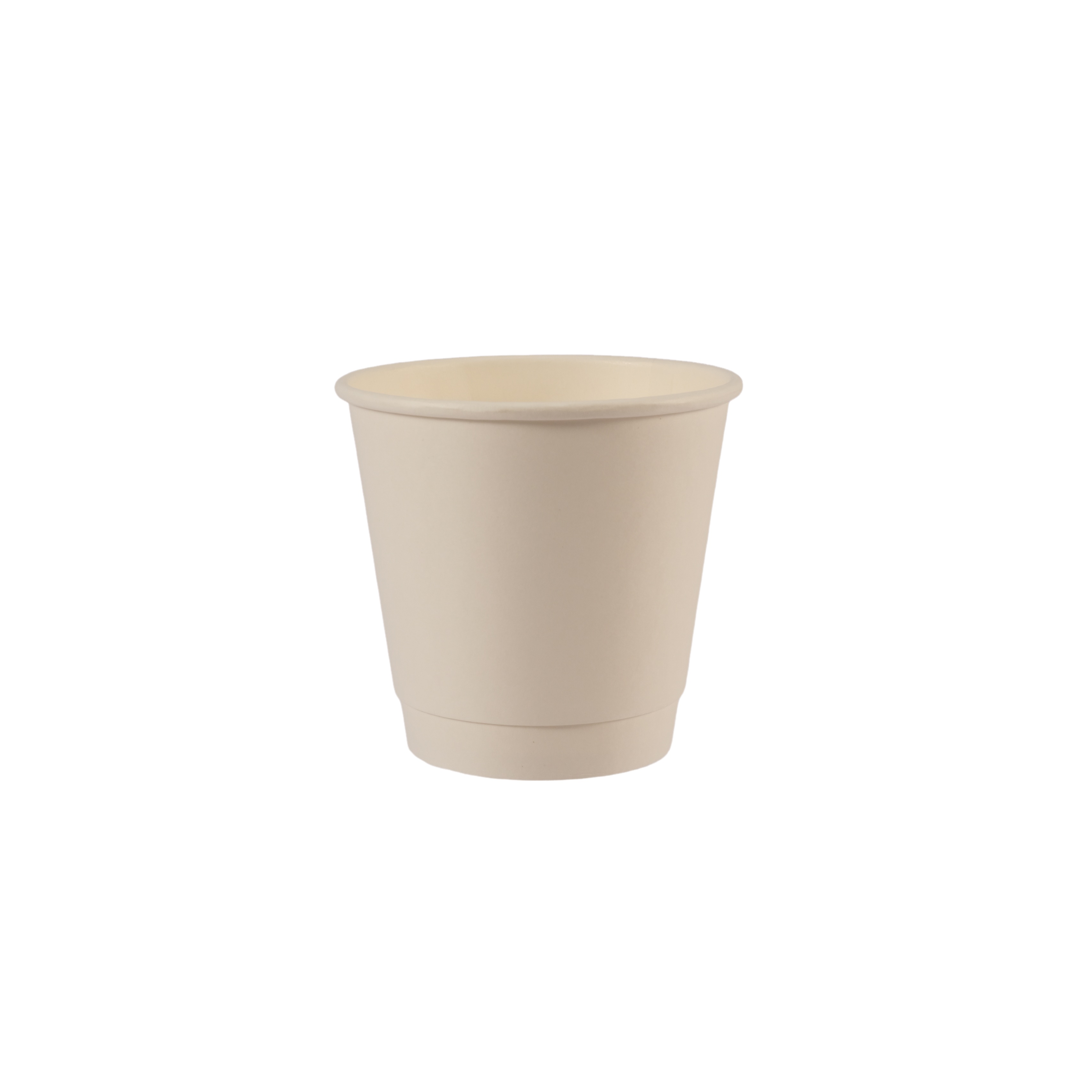
Paper cup production depends on more than a suitable base sheet and coating. Small changes in thickness, moisture, stiffness, or surface behavior can affect printing, forming, and sealing, so paper cup paper suppliers are investing more attention in material stability. That focus helps converters plan production with fewer material-related adjustments and gives packaging buyers a clearer basis for evaluating incoming rolls.
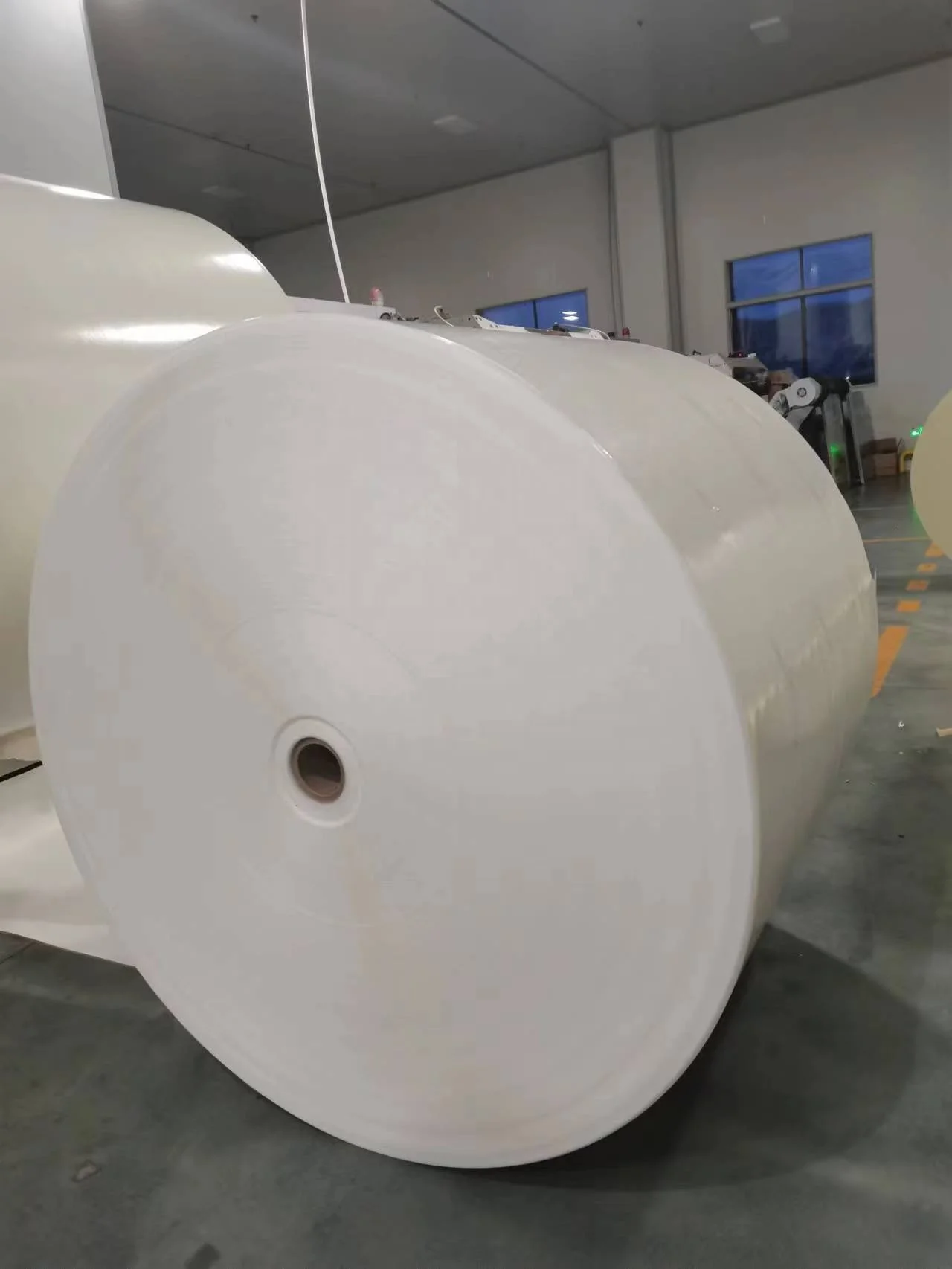
The shift reflects practical operating pressures rather than a single new specification. Paper cup paper suppliers need to deliver material that behaves consistently across batches, while converters need reliable inputs for a repeatable process. Understanding why stability matters clarifies how quality controls, production coordination, and purchasing decisions are changing across the cup supply chain.
Production demands make consistency valuable
Stable properties support repeatable converting
Cup converting involves feeding, printing, cutting, shaping, and joining paper in a coordinated sequence. When basis weight or caliper varies, equipment settings may need adjustment, and paper cup paper suppliers can help reduce that uncertainty by controlling properties across production lots. Stable material lets converters work from established settings instead of repeatedly compensating for differences between rolls.
Moisture balance also affects how paper moves through machinery and responds to heat. If moisture changes significantly, the sheet may curl, stretch, or handle differently during feeding and forming. Paper cup paper suppliers therefore monitor storage and process conditions as part of stability work, helping buyers receive rolls more suited to predictable handling. This does not eliminate every production variable, but it makes the raw material less likely to be one.
Consistency limits avoidable line disruption
A material variation can become a production issue when it interrupts a line, increases setup checks, or creates rejects during forming. Paper cup paper suppliers invest in repeatability because a converter needs the roll to perform similarly from the start of a run to its end. More consistent stiffness and thickness can support cleaner feeding and more dependable cup geometry under the converter’s chosen settings.
The commercial effect is tied to operational control, not a promise of flawless output. Paper cup paper suppliers cannot control machine maintenance, operator choices, or every environmental condition, yet more stable inputs make troubleshooting more focused. If a defect appears, teams can investigate process settings or handling without first assuming that every roll has a different profile. That distinction can help reduce wasted diagnostic time and material.
Quality control is moving upstream
Measurement turns expectations into specifications
Material stability begins with clear properties that can be measured and discussed. Paper cup paper suppliers and converters may align on basis weight, caliper, moisture range, stiffness, surface quality, and coating performance according to the intended cup and process. Defined tolerances give both sides a shared reference, making acceptance more objective than relying only on a general description of the paper.
Consistent sampling and documentation help show whether a batch matches agreed requirements. Paper cup paper suppliers can use inspection records to identify variation and review changes across production runs, while buyers can compare incoming material against approved criteria. The useful goal is not paperwork for its own sake; it is a traceable connection between a specification, a measured result, and a production outcome.
Coating and base paper must work together
For beverage and food cups, the paperboard and its barrier coating function as a combined structure. Differences in the base sheet can affect how a coating is applied or how the finished stock responds during forming. Paper cup paper suppliers focus on stability across both components so converters can assess the material as a usable system rather than treating the coating as an isolated feature.
Coating uniformity, adhesion, and surface behavior need evaluation in relation to the intended converting process and use conditions. Paper cup paper suppliers may coordinate checks on coated rolls with controls for the base material, while purchasers should confirm relevant food-contact and performance requirements for their market. Stable properties support repeatable processing, but they do not replace application-specific testing or compliance review.
Supply planning rewards predictable material
Batch continuity improves purchasing decisions
When successive deliveries behave similarly, converters can plan inventory and production schedules with greater confidence. Paper cup paper suppliers invest in material stability to make batch transitions less disruptive and to support continuity for buyers running repeat orders. This matters particularly when a packaging program uses defined artwork, forming settings, or product dimensions that are expected to remain consistent across production cycles.
Purchasing teams can reinforce that continuity by sharing forecasts, expected order patterns, and change-control expectations early. Paper cup paper suppliers then have clearer context for planning production and communicating any material or process change that could affect performance. Buyers should also keep approved samples and specifications accessible, since a shared reference helps teams distinguish acceptable variation from a meaningful departure.
Technical communication supports long-term reliability
Stability is built through ongoing communication, not simply through a single inspection at dispatch. Paper cup paper suppliers benefit from specific feedback about roll handling, print results, forming behavior, and sealing observations, while converters benefit from clear information about material specifications and storage guidance. Practical feedback helps both teams locate recurring variation and consider corrective action based on evidence.
A buyer evaluating paper cup paper suppliers can ask how batches are checked, how changes are communicated, and what technical details accompany a shipment. These questions focus on process transparency rather than unsupported assurances. A supplier relationship is more useful when expectations, test methods, and escalation steps are understood before a production concern occurs.
FAQ
Why does material stability matter for cup converting?
Stable material helps a converter maintain familiar machine settings and reduces variation linked to the paper itself. Paper cup paper suppliers focus on consistent properties so feeding, forming, and sealing can be assessed more reliably. Actual results still depend on equipment, operating conditions, and the cup design.
Which properties should buyers discuss?
Buyers can discuss basis weight, caliper, moisture, stiffness, surface characteristics, coating, and relevant food-contact requirements. Paper cup paper suppliers should work from specifications suited to the intended application. The required tolerances depend on the converter’s process and product needs.
How can buyers verify consistency between batches?
Agree on measurable acceptance criteria, retain an approved reference sample, and review inspection records and production feedback. Paper cup paper suppliers and buyers can compare results over time and document any agreed changes. This creates a clearer basis for resolving concerns than relying on general descriptions alone.
 EN