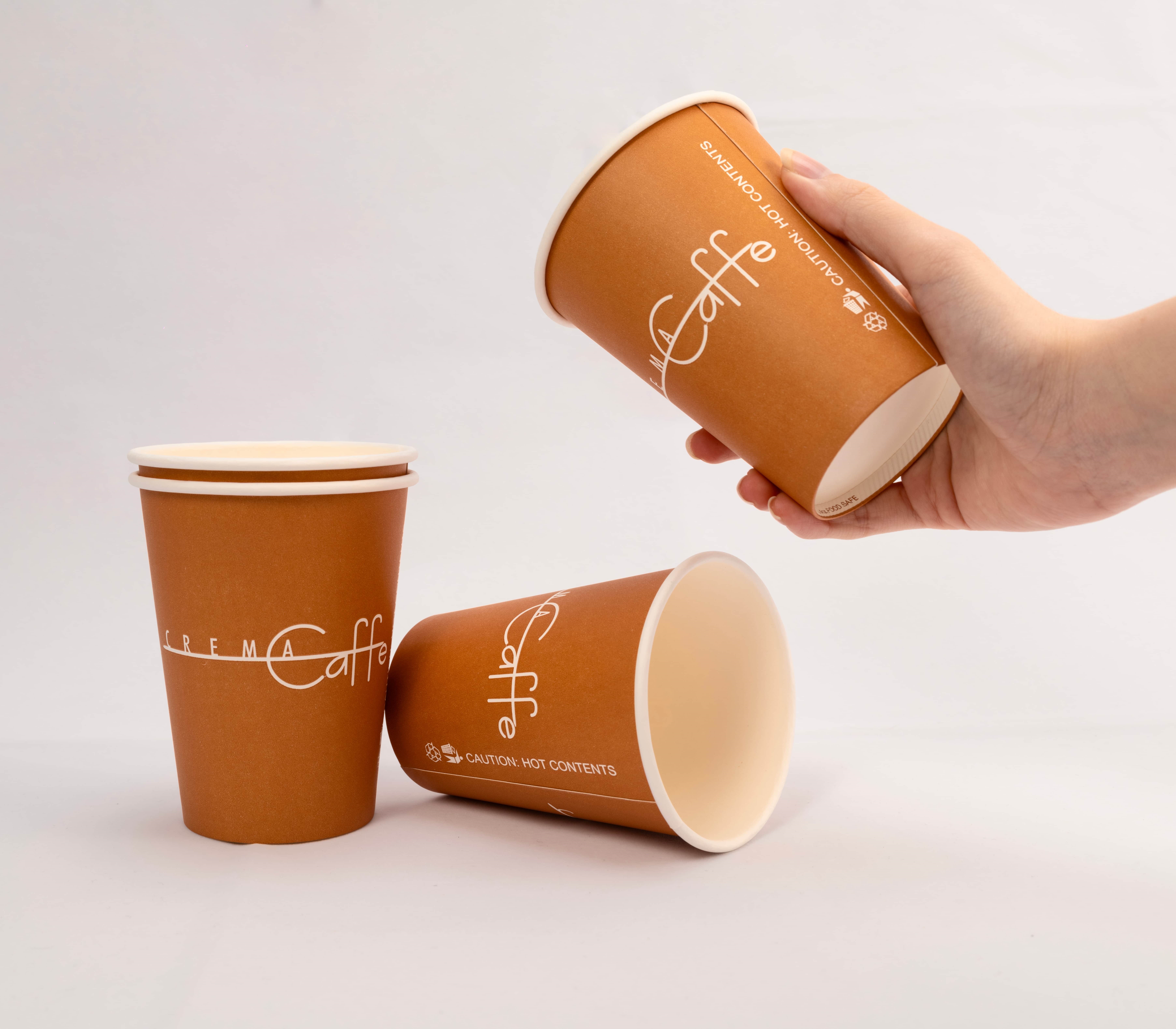
Selecting the right paper cup supplier requires understanding which manufacturing capabilities genuinely matter in today's competitive beverage packaging market. A modern paper cup supplier must balance quality, speed, customization, and regulatory compliance to remain viable. The capabilities your chosen supplier brings directly impact product consistency, production timelines, cost efficiency, and ultimately your brand's market position. This guide explores the essential manufacturing capabilities that distinguish leading paper cup suppliers from ordinary vendors.
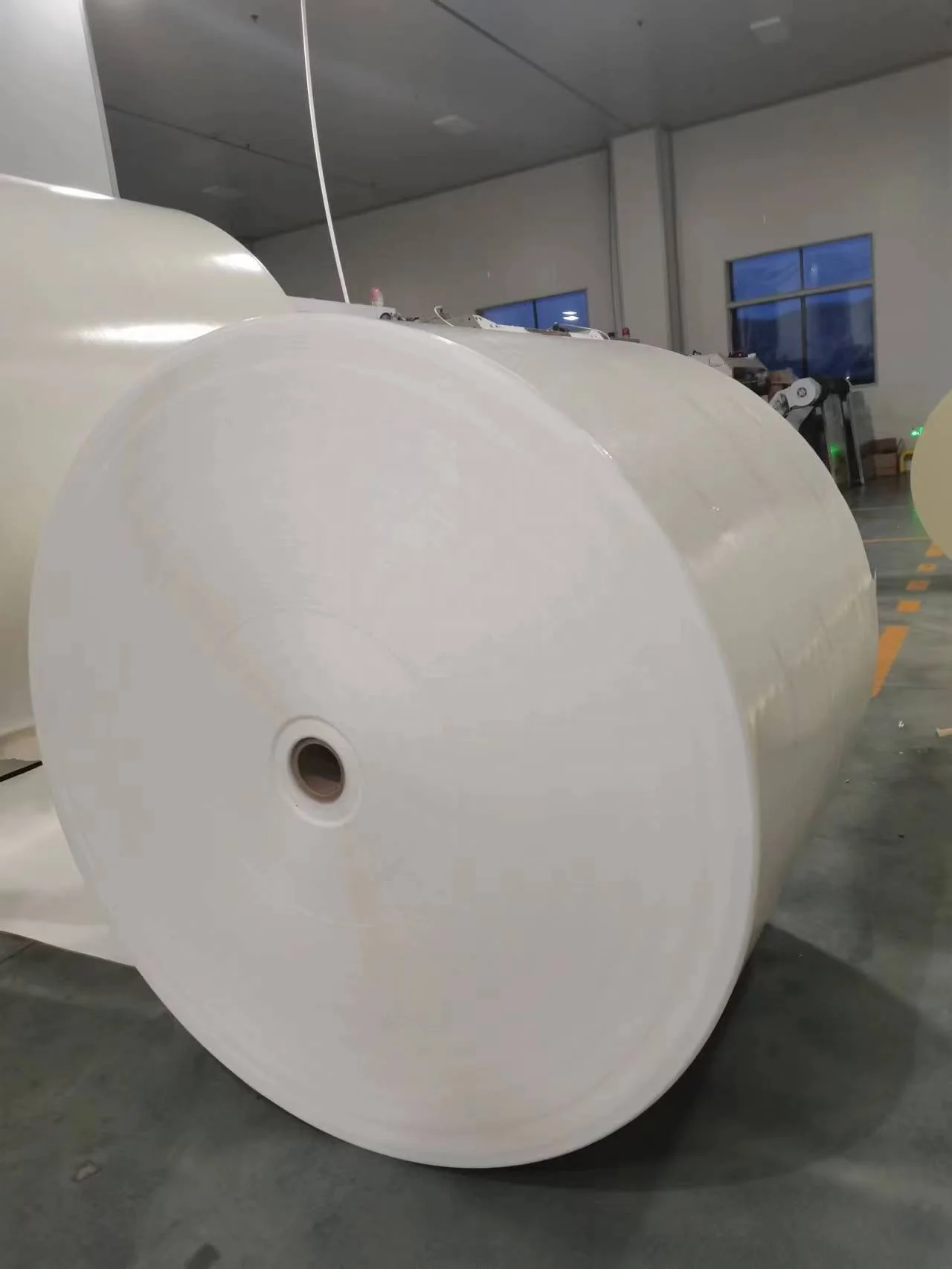
Understanding what makes a competent paper cup supplier goes beyond price lists and delivery promises. Real manufacturing excellence involves precision equipment, food-grade material certification, advanced printing technology, and flexible production workflows. When evaluating a paper cup supplier, you need to assess technical depth, quality control systems, and scalability alongside basic operational metrics. The capabilities discussed here represent the foundation of reliable, professional paper cup supplier partnerships.
Advanced Production Equipment and Precision Coating Systems
High-Speed Machinery and Consistency Standards
A credible paper cup supplier operates equipment that maintains strict dimensional tolerances and coating uniformity across production runs. Modern paper cup supplier facilities employ multi-stage coating systems that apply polyethylene or specialized barriers with precision. These systems ensure that each cup meets food safety standards and performs reliably in real-world use. Speed matters, but a true paper cup supplier prioritizes consistency first, because rejected batches damage relationships and profitability. Investment in calibrated machinery separates established paper cup suppliers from startups operating basic equipment.
Customization and Rapid Changeover Capabilities
Contemporary buyers expect a paper cup supplier to handle custom sizes, thicknesses, and barrier coatings without extended setup delays. Leading paper cup supplier operations feature modular production lines that swap tooling efficiently between job runs. This flexibility allows the paper cup supplier to serve niche markets and respond to seasonal demand shifts. The ability to produce custom specifications without minimum order penalties is increasingly crucial for brands seeking differentiation. Your paper cup supplier should demonstrate quick turnaround on sample production and pilot runs.
Food Safety Certification and Quality Control Infrastructure
Regulatory Compliance and Material Traceability
Every reputable paper cup supplier maintains rigorous documentation of raw material sourcing, batch testing, and finished product verification. Food-contact materials require compliance with FDA regulations, EU directives, and regional food safety standards that vary by market. A serious paper cup supplier invests in laboratory testing for migration limits, barrier integrity, and microbial resistance. Traceability systems ensure that every batch can be traced back to specific raw material lots and production dates. Without these capabilities, a paper cup supplier cannot reliably serve regulated industries or export-sensitive markets.
Third-Party Auditing and Certification Programs
Professional paper cup suppliers undergo regular audits by independent certifiers like SGS, Bureau Veritas, or equivalent bodies. These certifications demonstrate that manufacturing processes meet international standards for food packaging. A paper cup supplier holding ISO 9001, ISO 22000, or similar credentials signals commitment to continuous improvement and regulatory alignment. Such certifications reduce your compliance risk and strengthen your supply chain resilience. When interviewing a paper cup supplier, request current audit reports and certification documents as proof of genuine operational standards.
Printing Technology and Design Flexibility
Multi-Color Printing and Brand Customization
Modern marketing demands that a paper cup supplier deliver vibrant, multi-color branding directly on the cup surface. Leading paper cup supplier facilities employ flexographic or digital printing technologies capable of fine detail reproduction and color matching. High-fidelity printing allows the paper cup supplier to bring intricate logos, QR codes, and promotional content to life. The quality of printed imagery significantly influences perceived product value and brand recognition at the point of purchase. Your paper cup supplier should offer color management support and proofing processes that ensure brand consistency.
Rapid Design Iterations and Short Production Runs
A competitive paper cup supplier understands that market testing requires affordable short runs with quick turnaround. Digital printing capabilities enable the paper cup supplier to produce pilot batches without large plate fees or setup costs. This flexibility allows brands to test new designs, seasonal variations, or regional customizations efficiently. The paper cup supplier that invests in mixed-run production scheduling can accommodate both large orders and experimental batches. This agility is especially valuable for startups and emerging brands exploring market positioning.
Supply Chain Reliability and Scalability Planning
Raw Material Security and Inventory Management
A dependable paper cup supplier maintains strategic relationships with raw material suppliers and carries appropriate buffer stock. Paper grades, polyethylene coatings, and adhesives face commodity price volatility and occasional supply disruptions. Your paper cup supplier should demonstrate proactive supply chain management and transparent communication about material constraints. During market fluctuations, a mature paper cup supplier negotiates favorable terms without passing unexpected surcharges to customers. Supply stability directly impacts whether your paper cup supplier can meet committed delivery schedules.
Production Capacity and Growth Accommodation
As your business grows, your paper cup supplier must scale production proportionally without quality degradation. Leading paper cup supplier operations maintain multiple production lines with synchronized capacity planning. This infrastructure ensures that the paper cup supplier can handle seasonal peaks and unexpected volume requests. A paper cup supplier that publishes capacity metrics and lead time clarity builds confidence in partnership viability. Before committing to a long-term relationship, discuss growth scenarios with your paper cup supplier to confirm realistic expansion limits.
FAQ
What certifications should a reliable paper cup supplier hold?
A trustworthy paper cup supplier should maintain ISO 9001 quality management, ISO 22000 food safety, and FDA compliance documentation. Third-party certifications from bodies like SGS or Bureau Veritas confirm that the paper cup supplier undergoes independent audits. Additionally, the paper cup supplier should demonstrate compliance with regional food contact regulations specific to your target markets. Request copies of current certificates and audit reports before finalizing your partnership.
How important is printing capability when selecting a paper cup supplier?
Printing quality directly influences brand perception and market differentiation, making it a critical evaluation factor for any paper cup supplier. A modern paper cup supplier should offer multi-color flexographic or digital printing with fine detail reproduction and rapid turnaround. High-quality branding on cups enhances shelf appeal and customer recognition, so choose a paper cup supplier that demonstrates printing excellence. The paper cup supplier should provide color matching services and proofing processes to ensure brand consistency.
What production flexibility should I expect from my paper cup supplier?
Your paper cup supplier should accommodate custom sizes, thicknesses, barrier coatings, and mixed-run production without excessive minimums or setup delays. The paper cup supplier should handle design iterations and short pilot batches affordably to support market testing. Rapid changeover capability and modular production lines are indicators that the paper cup supplier truly supports customer flexibility. Discuss specific requirements and lead time expectations with the paper cup supplier before finalizing terms.
 EN
EN