Paper Plates and Cups Manufacturing Guide

, , 
Inquiry
Inquiry

manufacturing of paper plates and cups

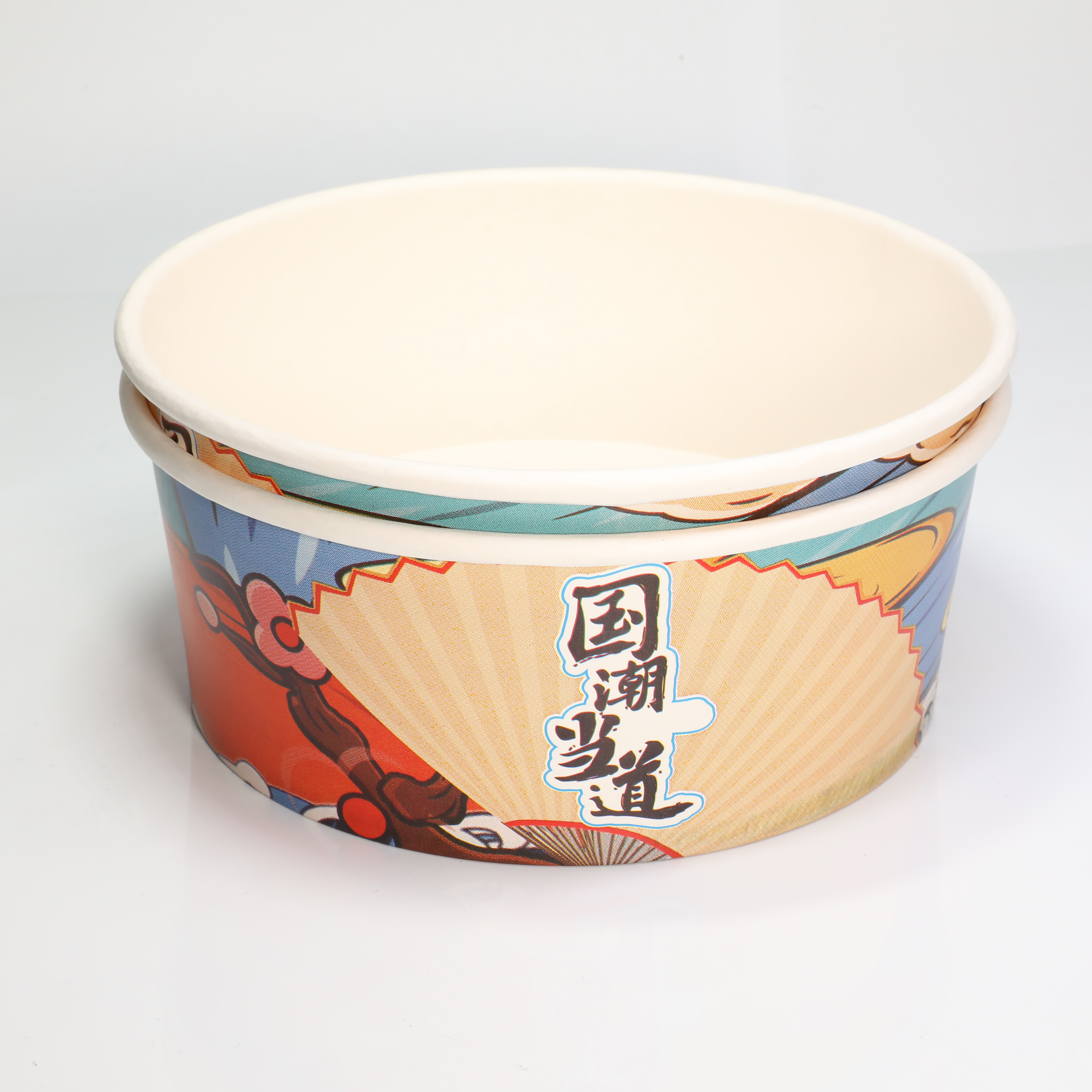
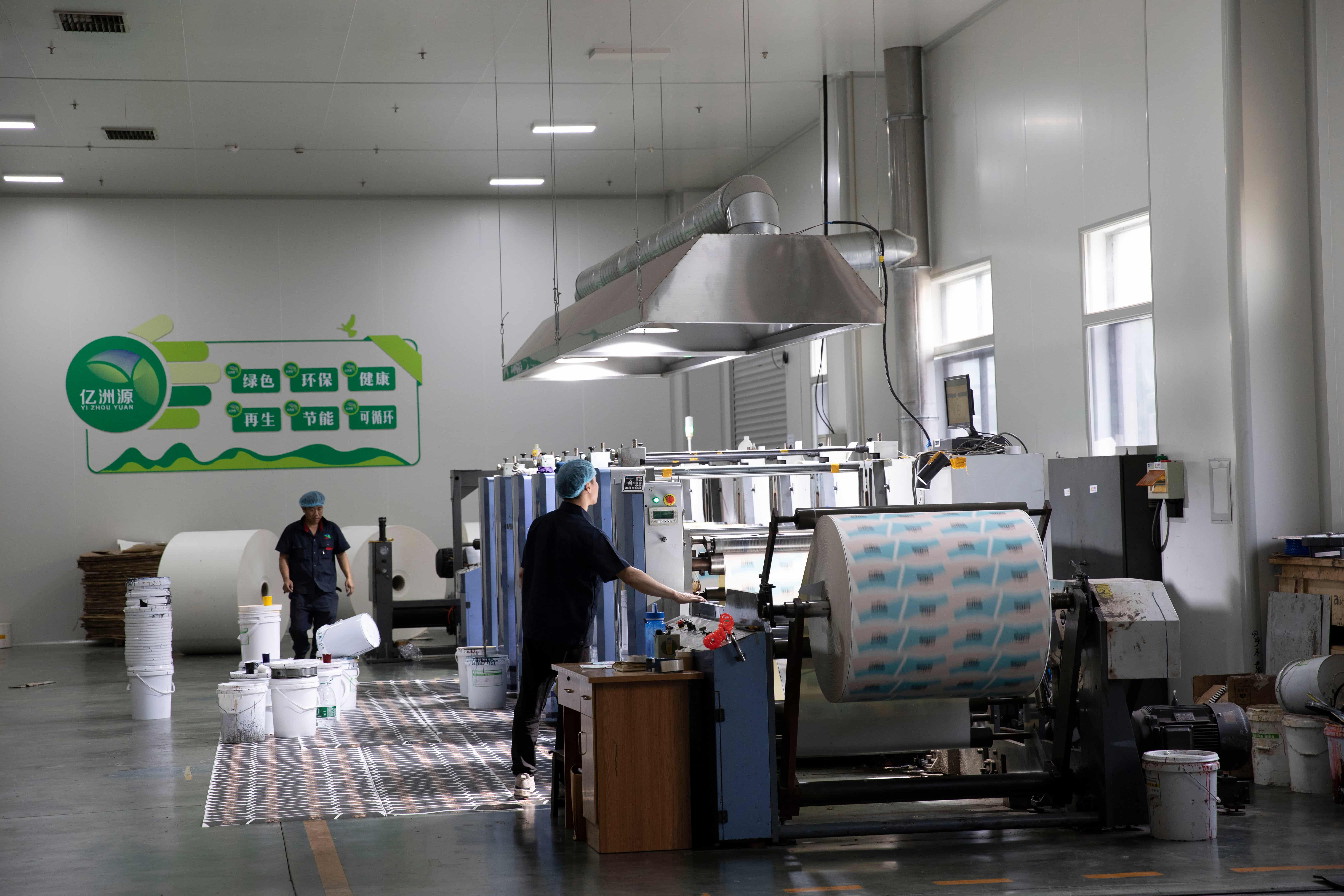
The manufacturing of paper plates and cups represents a significant segment of the food service disposable industry, combining traditional paper processing with modern production technologies. This manufacturing of paper plates and cups involves transforming raw paperboard materials into functional, food-safe containers through specialized machinery and quality control processes. The primary function of manufacturing paper plates and cups is to produce lightweight, disposable food and beverage containers for restaurants, cafeterias, catering services, and retail food businesses. These products serve as essential alternatives to traditional ceramic or plastic dishware, offering convenience and hygiene benefits. Technologically, the manufacturing of paper plates and cups employs advanced techniques including pulp processing, coating application, molding, and precision cutting. Modern facilities utilize automated systems featuring computerized controls, high-speed production lines, and integrated quality assurance mechanisms. The manufacturing of paper plates and cups typically incorporates food-grade coatings that provide waterproofing and grease resistance, ensuring product durability and food safety compliance. Applications of manufacturing paper plates and cups span diverse sectors including quick-service restaurants, corporate cafeterias, educational institutions, healthcare facilities, and outdoor event venues. These containers accommodate hot and cold beverages, solid foods, and various prepared meals. The manufacturing of paper plates and cups has become indispensable in the food service industry, supporting operational efficiency while meeting environmental considerations through recyclable and compostable options that many producers now prioritize in their production processes.
The manufacturing of paper plates and cups delivers numerous practical benefits that make these products invaluable for food service operations. Cost efficiency represents a primary advantage, as the manufacturing of paper plates and cups produces items at competitive prices compared to reusable alternatives, reducing operational expenses while maintaining profit margins for businesses. Operational benefits are substantial and immediate. Establishments utilizing products from the manufacturing of paper plates and cups eliminate washing, storage, and maintenance requirements associated with traditional dishware. Staff members can redirect efforts toward customer service and food preparation rather than dishwashing duties. This streamlined workflow enhances productivity and reduces labor costs significantly. Applications extend across multiple industries with remarkable versatility. The manufacturing of paper plates and cups creates containers suitable for restaurants, catering companies, schools, hospitals, and outdoor events. These products handle diverse food types effectively, from hot liquids to solid meals, maintaining structural integrity throughout service periods. Hygiene advantages cannot be overstated. The manufacturing of paper plates and cups produces single-use containers eliminating cross-contamination risks and foodborne illness concerns associated with shared dishware. Each customer receives sterile, untouched products, ensuring health and safety compliance. Environmental consciousness has transformed the manufacturing of paper plates and cups into an increasingly sustainable choice. Modern producers incorporate recyclable paperboard and develop compostable alternatives, reducing landfill waste. Businesses choosing these products demonstrate environmental responsibility while meeting consumer expectations for eco-friendly operations. Customer satisfaction improves when establishments implement results from the manufacturing of paper plates and cups, as consumers appreciate convenient, disposable options during dining experiences. This practical solution supports modern lifestyles while enabling businesses to scale operations efficiently without infrastructure limitations.

Practical Tips

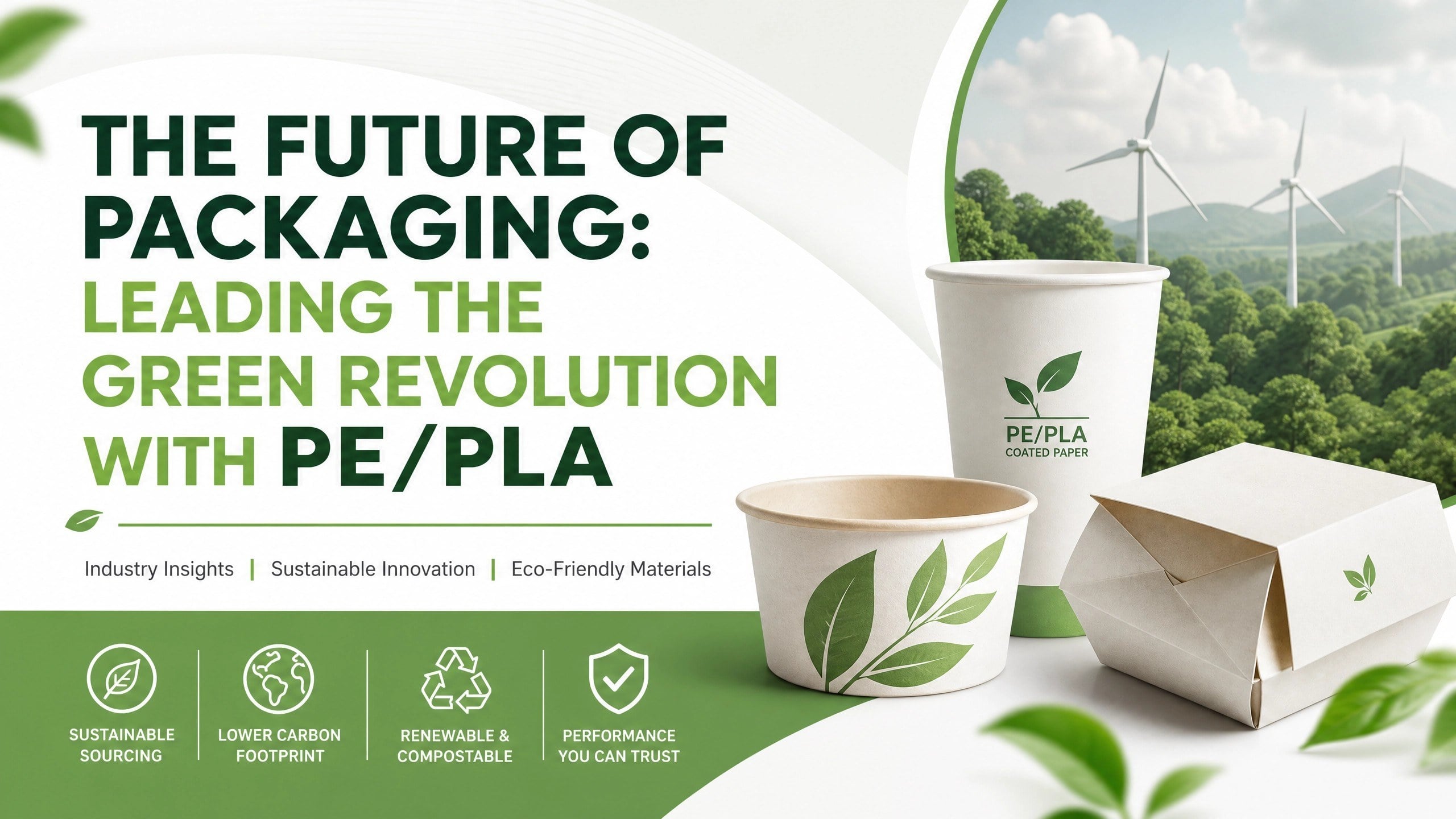
Industry News: PE/PLA Coated Paper Leads New Environmental Trend in Food Packaging

29

May

Industry News: PE/PLA Coated Paper Leads New Environmental Trend in Food Packaging

View More
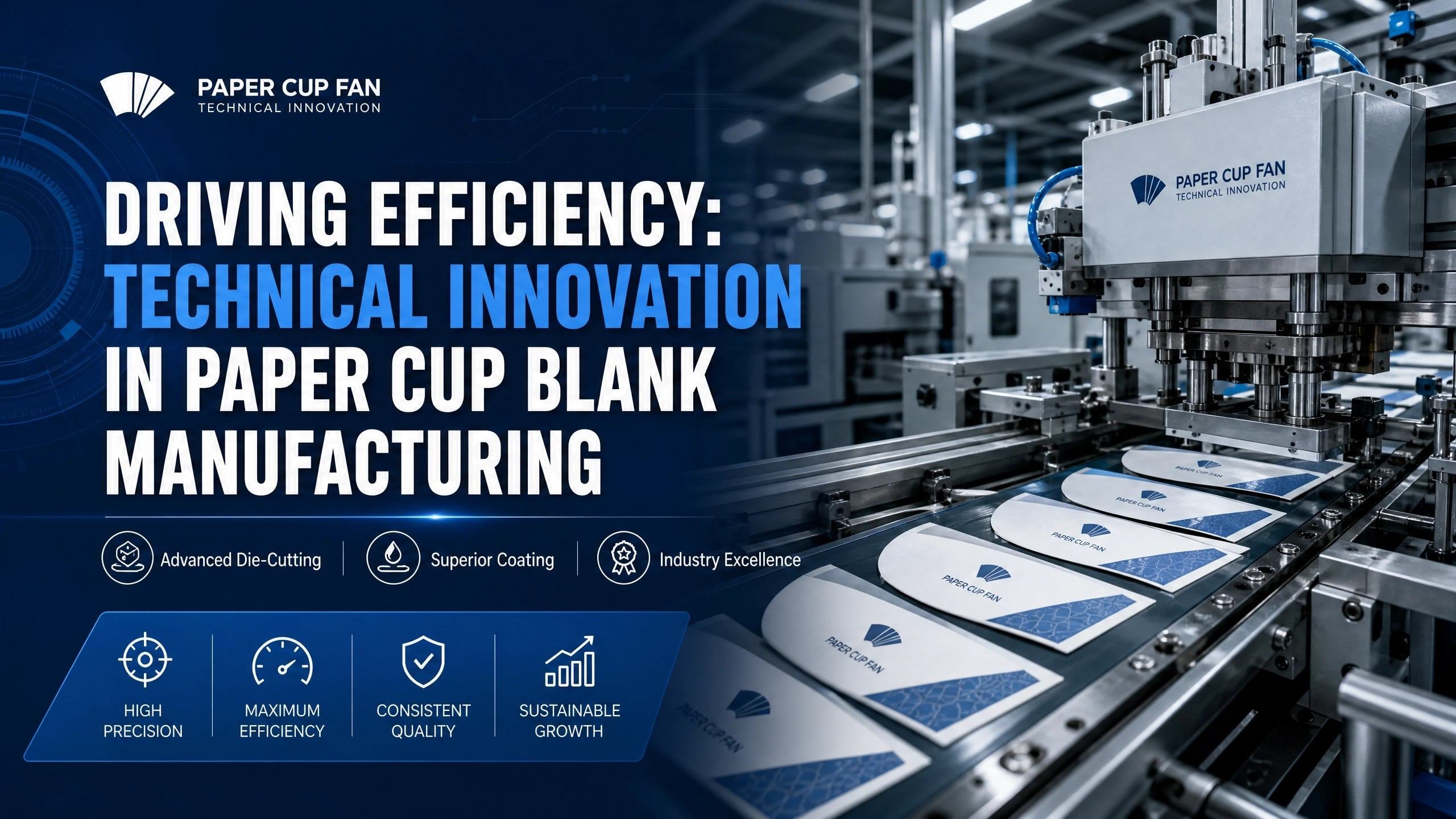
Industry News: Paper Cup Fan (Paper Cup Blank) Technical Innovation Drives New Upgrades in Beverage Packaging

29

May

Industry News: Paper Cup Fan (Paper Cup Blank) Technical Innovation Drives New Upgrades in Beverage Packaging

View More

Get a Free Quote

Our representative will contact you soon.
0/1000
Sustainable Production Methods

Sustainable Production Methods

Modern manufacturing of paper plates and cups increasingly emphasizes environmental responsibility through sustainable sourcing and production practices. Manufacturers now utilize certified sustainable forestry products and incorporate recycled content into their paper materials, significantly reducing environmental impact. The manufacturing of paper plates and cups integrates advanced water treatment systems and energy-efficient machinery that minimizes resource consumption during production processes. Many facilities have implemented zero-waste initiatives and renewable energy sources, demonstrating commitment to ecological stewardship. Companies engaged in manufacturing paper plates and cups now offer compostable and biodegradable options that break down naturally without harming ecosystems. This evolution reflects industry recognition that the manufacturing of paper plates and cups must balance commercial viability with environmental preservation, meeting growing consumer demand for sustainable food service solutions while maintaining product quality and performance standards.
Advanced Food Safety Features

Advanced Food Safety Features

The manufacturing of paper plates and cups incorporates sophisticated food safety mechanisms that protect consumers and ensure regulatory compliance. Manufacturers apply specialized coatings during the manufacturing of paper plates and cups process that prevent chemical migration from packaging materials into food products. These coatings provide FDA-approved, food-contact-safe surfaces that meet international health standards. The manufacturing of paper plates and cups utilizes quality assurance protocols including rigorous testing for microbial contamination, chemical residues, and structural integrity. Production facilities maintain strict hygiene standards with regular sanitization and employee training programs. Each batch from manufacturing of paper plates and cups undergoes comprehensive inspection to verify dimensional accuracy, coating uniformity, and resistance to moisture and grease penetration. Businesses relying on products from manufacturing paper plates and cups gain confidence that their customers receive containers meeting the highest safety benchmarks.
Cost-Effective High-Volume Production

Cost-Effective High-Volume Production

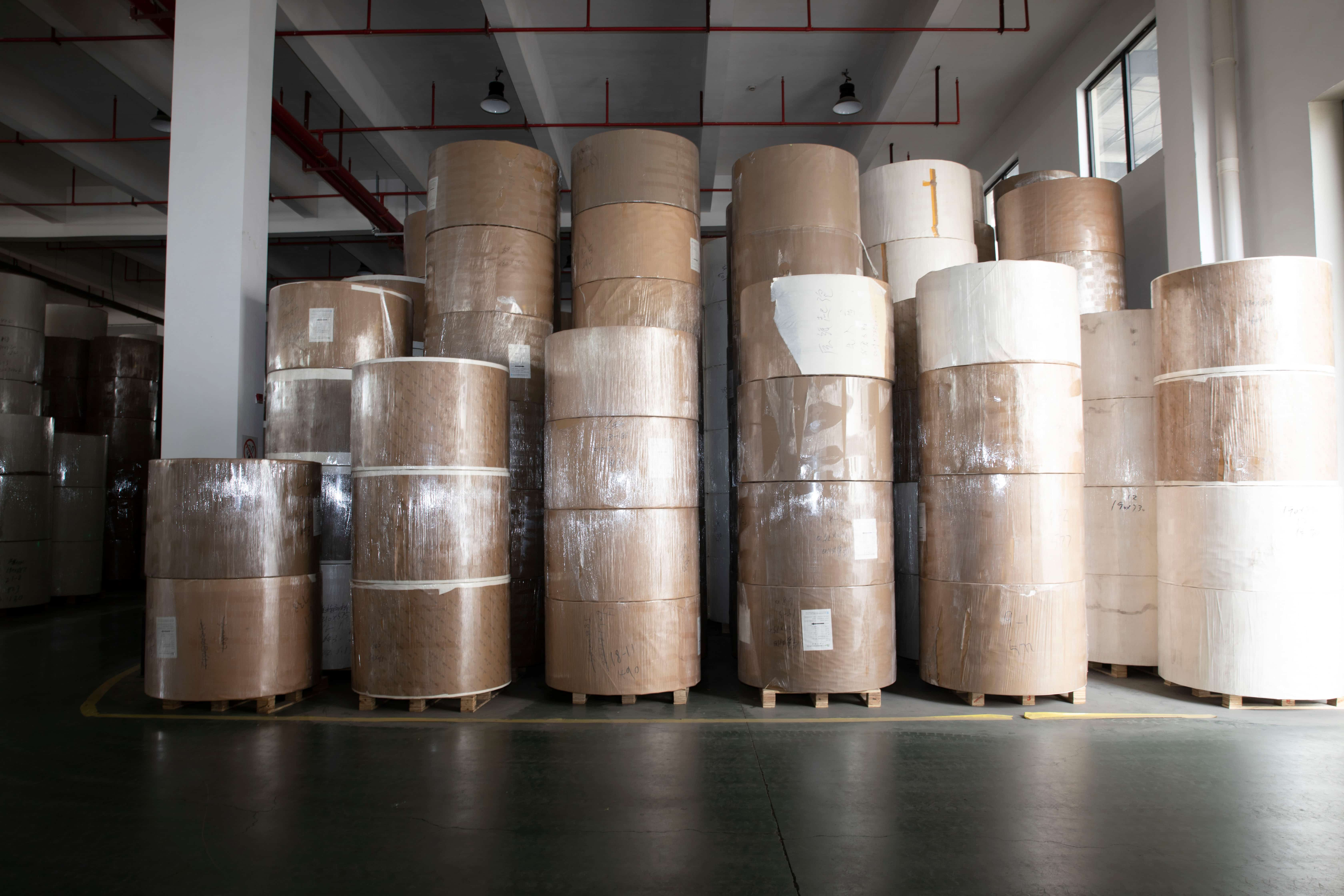
Manufacturing of paper plates and cups leverages automated machinery and economies of scale to deliver exceptional value for bulk purchasers. Advanced production lines achieve rapid output rates, processing thousands of units daily while maintaining consistent quality throughout manufacturing of paper plates and cups operations. Manufacturers optimize material usage and minimize waste through precision engineering, reducing per-unit costs substantially. The manufacturing of paper plates and cups benefits from competitive supplier networks and established distribution channels that enable efficient logistics and timely delivery. Bulk purchasing from facilities specialized in manufacturing paper plates and cups provides significant discounts for restaurants, catering services, and institutional buyers. This cost efficiency means organizations allocate more resources toward core operations while reducing overhead associated with dishware management. The scalability inherent in manufacturing of paper plates and cups allows businesses to adjust order volumes seasonally or operationally without incurring penalties or long-term commitments.