Material stability is critical when evaluating a paper cup supplier because it affects whether each production run converts, seals, and performs consistently. A sample can look suitable while later deliveries vary in stiffness, moisture response, coating, or dimensions. For buyers, stability is not an abstract material property; it is a practical measure of process predictability, product quality, and supply risk.
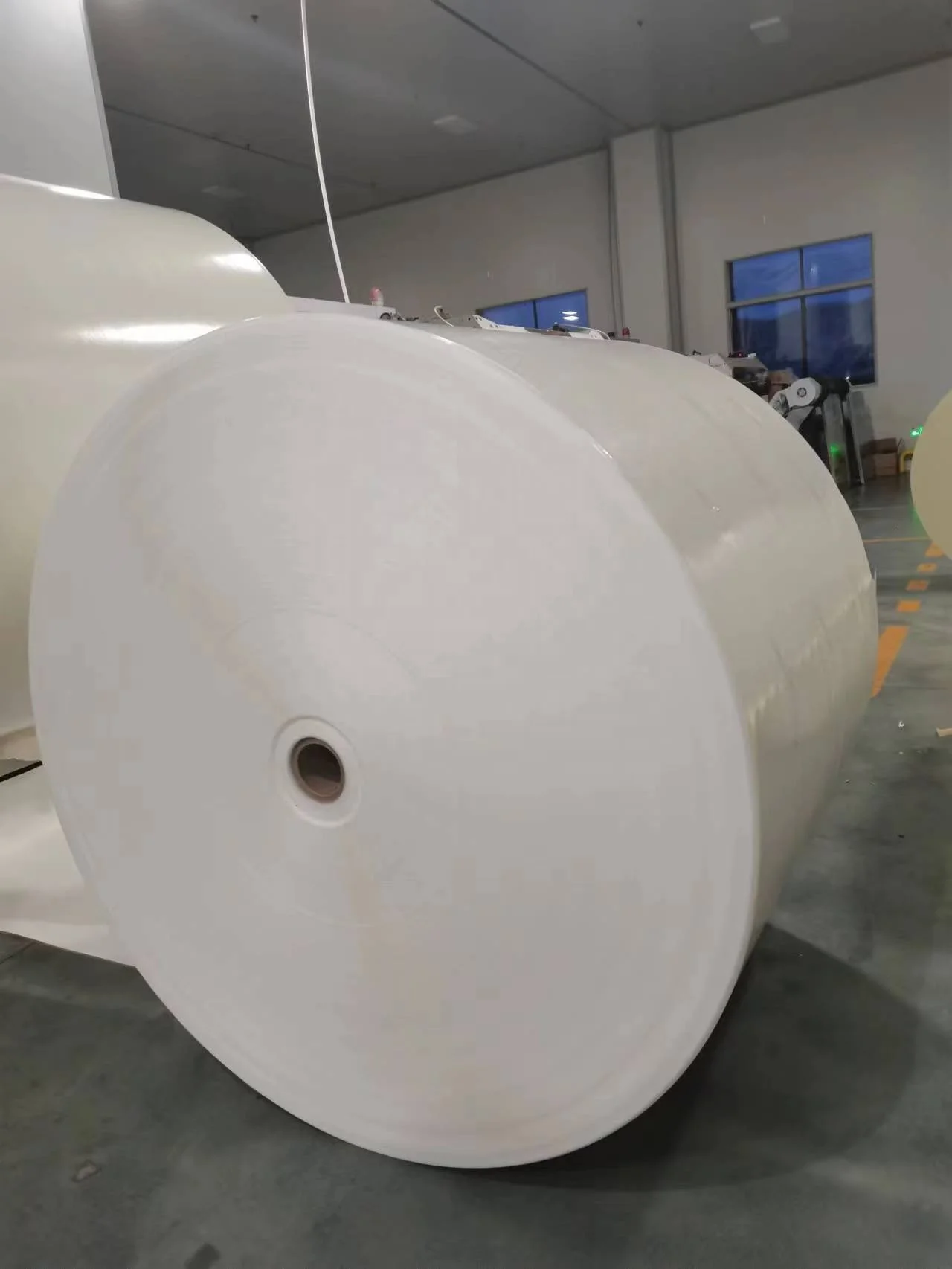
A dependable paper cup supplier should help connect material specifications with the realities of forming, sealing, filling, and storage. Evaluating stability means asking how the supplier controls raw materials and production variation, what evidence supports consistency, and how changes are communicated. These questions matter whether a buyer purchases finished cups or coated stock for in-house converting, because unstable inputs can disrupt multiple stages of the operation.
How material variation reaches production
Consistency supports forming and sealing
Cup forming depends on stock that behaves predictably as it is fed, shaped, and joined. If stiffness or thickness changes, operators may need to adjust settings, and a paper cup supplier may see more interruptions while teams diagnose the cause. Stable material makes it easier to hold established machine parameters and maintain repeatable seams. Buyers should discuss acceptable tolerances and how incoming lots are checked before routine production begins.
Coating uniformity also matters because it influences how the material responds during sealing and use. An uneven barrier can create weak areas or inconsistent bonding, even when the cup appears normal at first glance. A paper cup supplier should be able to explain relevant coating controls and provide specification details for the intended application. Buyers can then compare delivered material against agreed requirements instead of relying only on visual inspection.
Stable inputs reduce avoidable process adjustments
Variation in moisture, curl, or sheet dimensions can affect feeding and alignment on converting equipment. When these properties shift between deliveries, staff may spend time correcting jams, registration issues, or forming differences rather than running a stable process. A paper cup supplier with consistent lot controls helps reduce that uncertainty. The buyer still needs to monitor performance, but reliable inputs make troubleshooting more focused and production planning more realistic.
This matters especially when a plant schedules several cup sizes or runs, since a material change can require additional setup and verification. Before scaling an order, a buyer should confirm that the paper cup supplier can maintain the agreed material characteristics across repeat shipments. Trial runs should record machine settings, observed defects, and finished-cup checks. Those records create a useful baseline for identifying whether later variation comes from material, equipment, or operating conditions.
Why stability protects product quality
Barrier performance must stay suitable for use
A beverage or food cup must perform as intended throughout filling, handling, and the expected period of use. Material differences can change how consistently the cup resists leakage or maintains its shape, so buyers should match specifications to contents and conditions. A paper cup supplier should clarify the intended grade and coating details rather than treating all stock as interchangeable. This gives quality teams a defined basis for review and acceptance.
Food-contact requirements add another reason to control material changes carefully. Buyers need documented information relevant to the intended market and application, while also confirming that replacement inputs remain within approved specifications. A paper cup supplier should communicate meaningful changes in material or process so customers can assess whether further review is needed. Stability does not replace compliance checks; it supports a controlled process in which material identity and quality remain traceable.
Repeatability makes inspection more useful
Incoming inspection works best when results can be compared against a stable reference. If every shipment behaves differently, a buyer may struggle to distinguish normal variation from a problem that needs corrective action. A paper cup supplier can support effective inspection by defining measurable properties, lot identification, and a clear method for addressing nonconforming material. Buyers should also retain samples or records where appropriate, especially during qualification and early repeat orders.
Finished-product checks should reflect actual use, not only appearance. Buyers can evaluate forming quality, seam integrity, dimensions, and performance under representative handling conditions. Discussing these checks with a paper cup supplier helps align expectations before a commercial order is released. When both sides use consistent acceptance criteria, findings are easier to investigate and corrective actions are more specific, reducing the chance that a vague quality concern becomes a recurring dispute.
How buyers can evaluate stability before commitment
Review controls, specifications, and change communication
Start by requesting the material specification and identifying which properties are controlled from lot to lot. Ask how the paper cup supplier verifies thickness, stiffness, coating, dimensions, or other properties that matter to the planned process. The right set of checks depends on the product and equipment, so the conversation should focus on functional needs rather than collecting irrelevant data. Clear limits make later order reviews more objective.
Ask how raw material sourcing, process adjustments, and quality deviations are documented and communicated. A paper cup supplier should have a practical route for notifying customers when a change could affect agreed requirements. Buyers can also clarify how complaints are investigated, what batch information is available, and how corrective actions are followed up. These details reveal whether stability is managed as an operating discipline or treated as an assumption.
Use trials and order history to verify repeatability
A controlled production trial gives buyers a chance to confirm material behavior on their own equipment before committing to regular volume. Record the lot, settings, operating observations, and finished-cup results, then compare them with subsequent runs. This creates direct evidence of how a paper cup supplier performs under relevant conditions. Trial approval should reflect both technical suitability and the ability to reproduce acceptable results on repeat deliveries.
After qualification, review delivery records and quality outcomes together rather than judging each shipment in isolation. Repeated issues such as changing setup needs, inconsistent dimensions, or unexplained material substitutions deserve follow-up. A paper cup supplier should be able to discuss trends and agree on corrective steps with the buyer. A useful evaluation therefore considers not only the first sample, but also communication, traceability, and consistency over time.
FAQ
What does material stability mean for a paper cup supplier?
It means maintaining agreed material properties across production lots so converting and finished-cup performance remain predictable. A paper cup supplier should define relevant specifications, monitor variation, and provide traceability. Buyers should confirm which characteristics matter for their equipment and use, since stability is judged against the actual application rather than a general description.
Which material properties should buyers discuss first?
Begin with properties that affect forming, sealing, and intended use, such as thickness, stiffness, dimensions, moisture response, and coating consistency. The paper cup supplier can explain which controls apply to the offered material. Buyers should connect those details to machine requirements and product checks, then document the agreed limits for future deliveries.
Can a sample alone confirm long-term consistency?
No. A sample helps establish initial suitability, but it cannot demonstrate repeatability across later lots. A buyer should assess trial results, specifications, lot records, and change communication over time. Working with a paper cup supplier through a documented qualification process gives a stronger basis for judging whether material stability supports ongoing production needs.
 EN