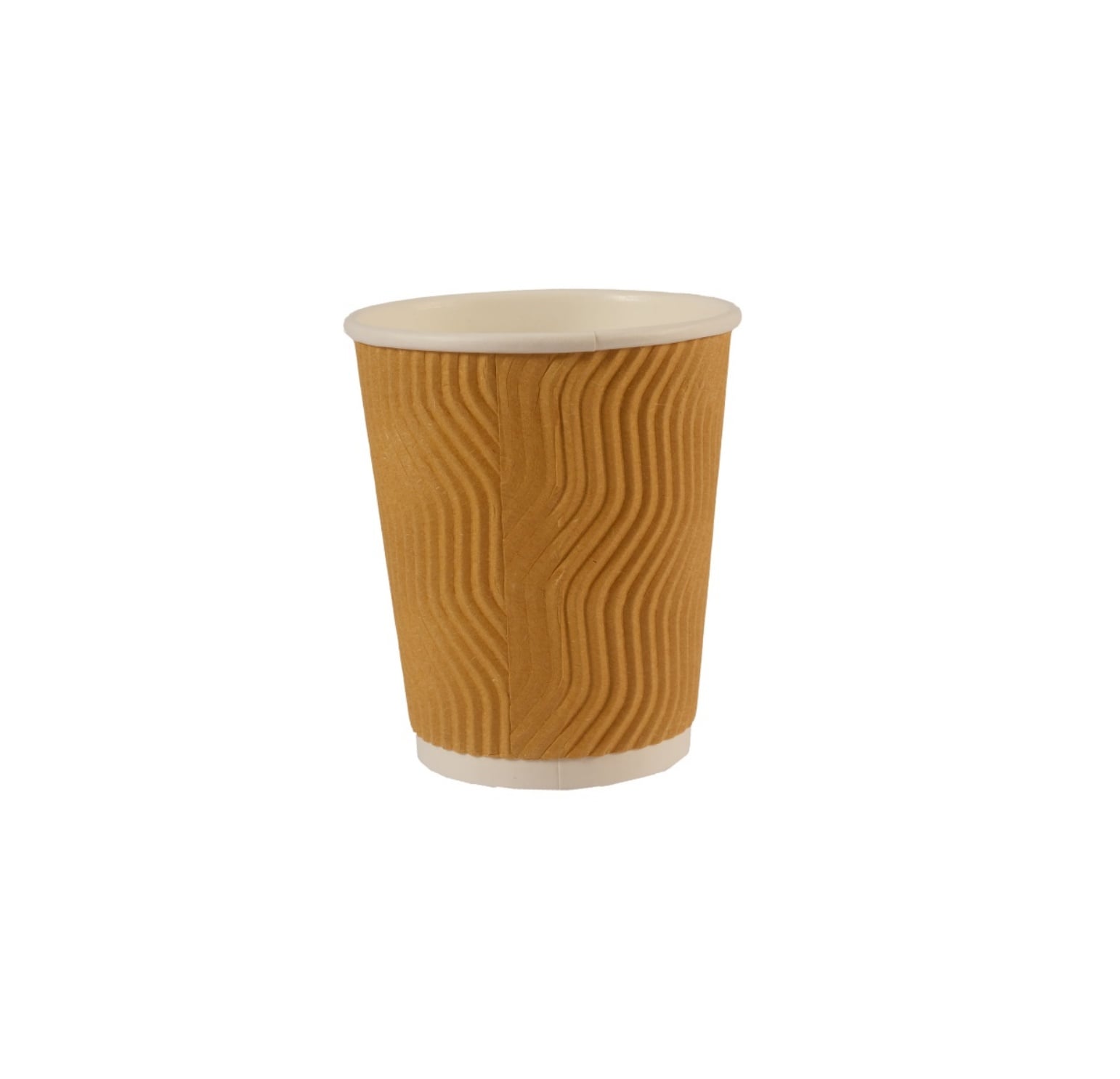
Global food service businesses face mounting pressure to reevaluate their paper cup supplier relationships in ways that impact operational efficiency, brand reputation, and bottom-line profitability. The decision to reassess a paper cup supplier strategy is no longer optional but essential for companies competing in an increasingly complex supply chain environment. Multiple converging factors—from raw material volatility to shifting consumer expectations—have forced industry leaders to examine whether their current paper cup supplier partnerships truly align with their strategic objectives and risk tolerance.
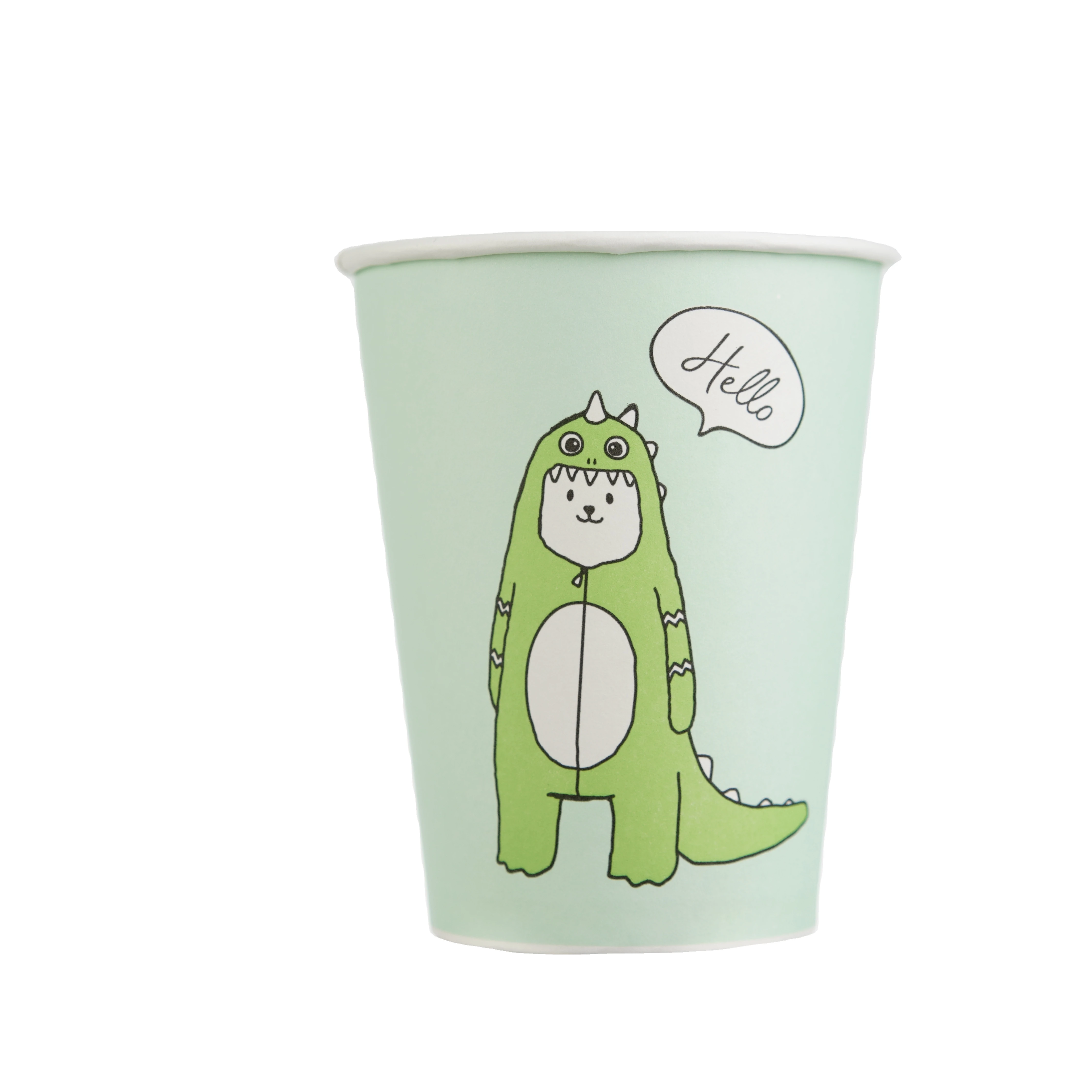
Understanding why this reassessment is happening requires insight into the interconnected pressures reshaping beverage packaging today. A reliable paper cup supplier must now address cost stability, environmental compliance, product quality, and delivery reliability simultaneously—expectations that legacy partnerships often struggle to meet. For food service operators managing multiple locations across regions or countries, the complexity multiplies when selecting a paper cup supplier that can scale consistently while maintaining standards.
Rising Costs and Supply Chain Volatility
Raw Material Price Fluctuations
The primary driver forcing businesses to reassess their paper cup supplier relationship is the unpredictability of input costs. Pulp prices, recycled fiber availability, and petroleum-based coating materials fluctuate based on global commodity markets, weather, and geopolitical factors. A paper cup supplier locked into static pricing often cannot absorb these shocks, leading to sudden price increases that squeeze margins or force contract renegotiations at unfavorable terms. Forward-thinking food service organizations are now demanding that their paper cup supplier offer transparent pricing mechanisms, cost-sharing models, or hedging strategies that distribute risk equitably.
Logistics and Transportation Disruptions
Shipping delays, port congestion, and fuel surcharges have made it difficult for traditional paper cup suppliers to guarantee reliable delivery windows. When a paper cup supplier cannot deliver on schedule, food service businesses lose operational flexibility and may face stockouts or emergency sourcing at premium rates. Many companies are now actively seeking alternative paper cup supplier partners with distributed manufacturing capacity, regional fulfillment centers, or direct logistics management capabilities. This shift reflects a broader recognition that the lowest-cost paper cup supplier is often not the most cost-effective when supply reliability is factored in.
Quality Standards and Product Consistency
Durability and Performance Expectations
Customer experience directly ties to the quality of the paper cup supplier chosen. If a cup leaks, loses structural integrity under hot beverages, or fails to hold ice without degradation, the brand suffers reputational damage. Food service operations now scrutinize their paper cup supplier's quality control systems, testing protocols, and consistency metrics more rigorously than ever before. A paper cup supplier that cannot guarantee uniform wall thickness, consistent coating quality, or reliable sealing performance risks losing contracts to competitors offering stricter quality assurance.
Customization and Flexibility
Modern food service brands seek differentiation through packaging design, and not every paper cup supplier can accommodate rapid prototyping, custom printing, or limited-edition runs economically. Businesses reassessing their paper cup supplier strategy often find that legacy suppliers lack the agility to respond to seasonal promotions, regional preferences, or sustainability innovations. The ability to work with a paper cup supplier that balances large-volume production efficiency with smaller-batch customization capability has become a competitive advantage. This flexibility signals that a paper cup supplier understands modern food service dynamics rather than clinging to one-size-fits-all production models.
Environmental and Regulatory Compliance
Sustainability Commitments and Certifications
Consumer demand for eco-friendly packaging and corporate sustainability commitments have made environmental credentials non-negotiable when selecting a paper cup supplier. Certifications such as FSC forestry standards, compostability claims, or reduced-plastic coatings are now baseline expectations rather than premium differentiators. A paper cup supplier unable to provide transparent documentation of environmental credentials or sourcing practices puts food service partners at risk of greenwashing accusations. Many global food service chains have publicly committed to sustainability goals, making it imperative that their paper cup supplier aligns with these targets through verifiable actions and third-party certifications.
Regulatory Landscape Evolution
Regulatory frameworks around single-use packaging, plastic content limits, and recycling standards vary across regions and are tightening rapidly. A paper cup supplier operating without understanding local regulations or possessing certificates for different markets creates compliance liabilities for their food service customers. Companies reassessing their paper cup supplier relationships must now ask whether their current partner can navigate regulatory changes in multiple jurisdictions or adapt quickly when new mandates emerge. The paper cup supplier that proactively tracks regulatory trends and adjusts product specifications accordingly becomes an invaluable strategic asset rather than a transactional vendor.
Strategic Partnership and Innovation
Collaborative Problem-Solving Approach
Modern food service businesses view their paper cup supplier not as an interchangeable commodity source but as a strategic partner capable of collaborative innovation. Companies are increasingly reassessing whether their current paper cup supplier engages in joint planning, forecasting, and shared metric tracking. A paper cup supplier that works closely with customers to understand their unique challenges—whether managing seasonal demand spikes, reducing waste, or launching new product lines—demonstrates partnership mentality. This collaborative relationship model reduces friction, improves forecasting accuracy, and often leads to cost efficiencies that benefit both parties.
Technology and Data Integration
Digital supply chain integration is reshaping how food service businesses interact with their paper cup supplier. Real-time order tracking, automated inventory management, and data-driven demand forecasting reduce inefficiencies and improve decision-making. A paper cup supplier investing in technology infrastructure and willing to integrate their systems with customer platforms demonstrates forward-thinking commitment. Conversely, paper cup suppliers relying on manual processes and email communication are increasingly viewed as operational liabilities rather than viable long-term partners in this digitally driven environment.
FAQ
What specific factors should trigger a reassessment of my current paper cup supplier?
Key triggers include sudden price increases without market justification, frequent quality inconsistencies or customer complaints, missed delivery deadlines, inability to adapt to new product requirements, lack of environmental certifications, or resistance to digital integration. Additionally, if your paper cup supplier cannot address regulatory changes in your operating regions or refuses to engage in collaborative planning, these signal misalignment with your organization's strategic direction.
How can I evaluate whether a new paper cup supplier aligns with my business needs?
Conduct a comprehensive assessment by requesting samples across production batches, verifying quality certifications and environmental credentials, reviewing their technology capabilities and data integration options, confirming regulatory compliance for all markets you serve, and evaluating their responsiveness to custom requirements. Request financial references from existing customers, conduct site visits to manufacturing facilities, and confirm their supply chain resilience through documentation of distributed capacity and backup logistics partners. Request a detailed cost breakdown and pricing mechanism to ensure long-term transparency.
How does selecting a better paper cup supplier impact my food service operation's bottom line?
A reliable paper cup supplier reduces emergency sourcing costs, minimizes product wastage from quality issues, and ensures operational consistency that protects brand reputation. Negotiated pricing stability and collaborative forecasting lower procurement volatility and reduce inventory carrying costs. Improved product quality decreases customer complaints and returns, protecting margins. Environmental compliance from your paper cup supplier mitigates regulatory and reputational risks. Together, these factors deliver measurable ROI that extends beyond unit price to encompass operational efficiency, risk reduction, and brand value protection.
 EN
EN