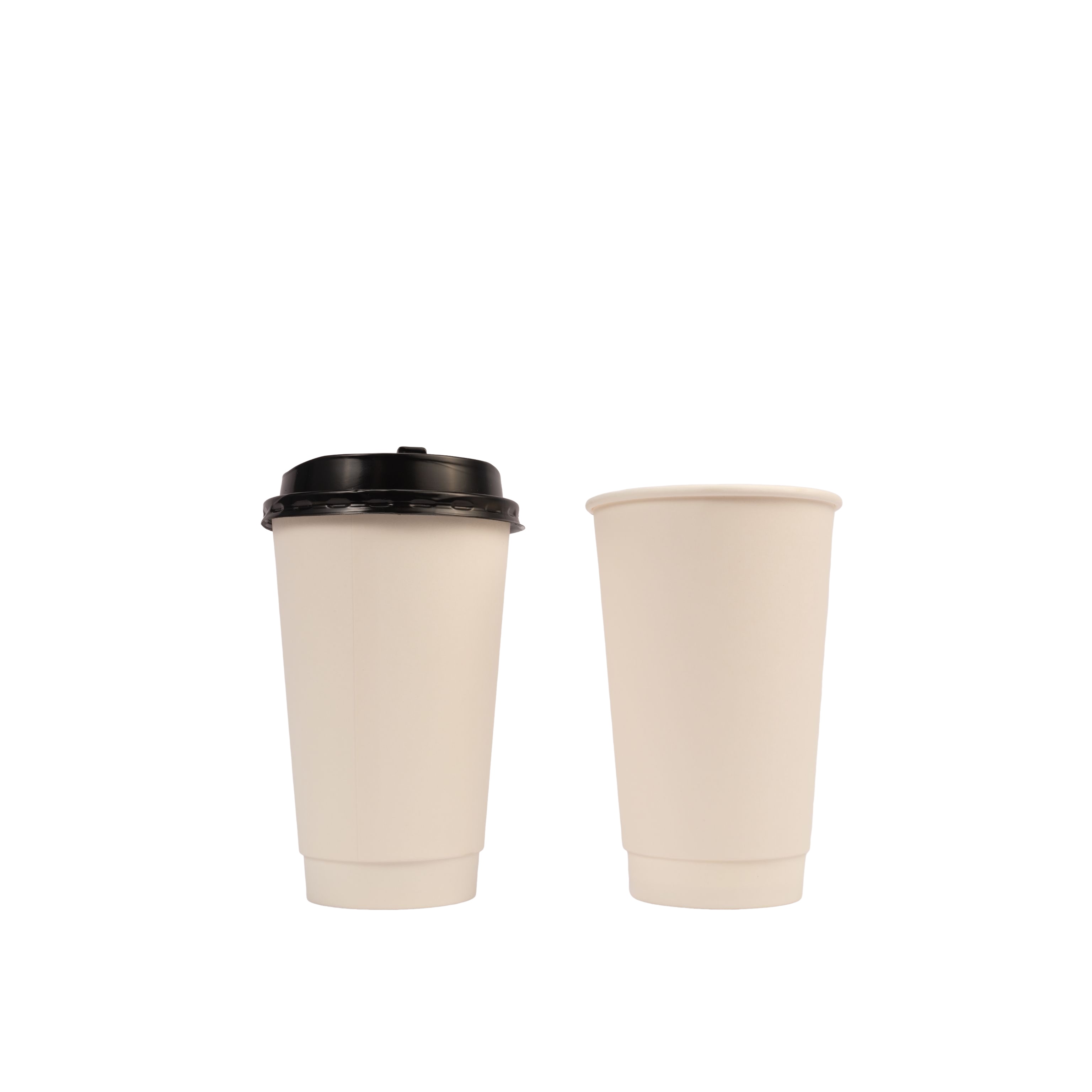
Selecting the right paper cup supplier is one of the most critical decisions your business will make when managing beverage packaging operations. The choice affects everything from product quality and brand perception to operational efficiency and bottom-line profitability. Many purchasing managers focus solely on unit price, overlooking essential supply chain variables that can create hidden costs, delays, and compliance risks. A comprehensive evaluation framework ensures you partner with a paper cup supplier that aligns with your operational needs, regulatory requirements, and growth trajectory.
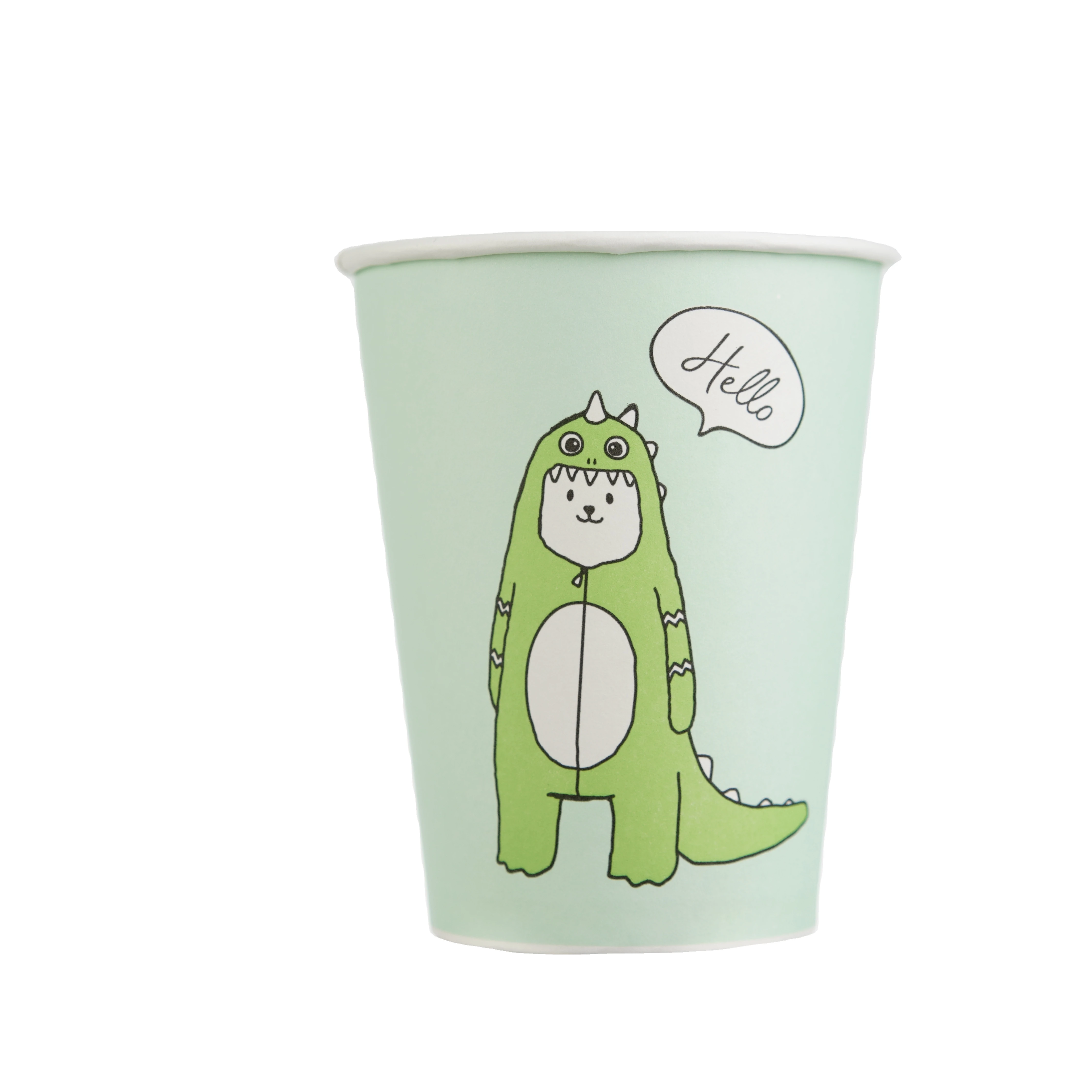
Working with a paper cup supplier requires understanding how different variables interact across your entire supply chain. These variables span production capacity, material sourcing, quality assurance, delivery reliability, regulatory compliance, customization capabilities, and financial stability. When you evaluate a paper cup supplier through this holistic lens, you reduce procurement risk and build a sustainable relationship that grows with your business. This article outlines the key variables you should systematically review before committing to a paper cup supplier partnership.
Production Capacity and Lead Time Management
Understanding Your Paper Cup Supplier's Manufacturing Scale
A paper cup supplier's production capacity directly determines whether they can meet your current demand and accommodate future growth. Before signing an agreement, visit the facility or request detailed production specifications from your potential paper cup supplier. Ask about total monthly output, equipment specifications, shift schedules, and capacity utilization rates. A paper cup supplier operating at 85 percent capacity can scale up more easily than one at 95 percent. Understanding these metrics helps you assess whether your paper cup supplier can handle seasonal spikes, promotional increases, or expansion plans without imposing painful delays.
Lead Times and Inventory Buffers
Lead time variability is a hidden cost that many businesses discover too late. Your paper cup supplier should provide clear, documented lead times for standard orders and rush requests. Ask your paper cup supplier how they handle unexpected demand surges and whether they maintain safety stock. A reliable paper cup supplier typically offers lead times between two to eight weeks depending on customization complexity. Discuss inventory holding policies, minimum order quantities, and what happens if you need emergency shipments. These details matter enormously when your business faces seasonal demand or market opportunities requiring rapid response.
Quality Standards and Compliance Requirements
Material Quality and Food Safety Certifications
Every paper cup supplier must meet stringent food safety and material quality standards. Request certification documentation from your paper cup supplier covering FDA compliance, BPA-free materials, and any industry-specific certifications required in your target markets. A professional paper cup supplier will transparently share test reports, material specifications, and third-party audit results. Ask your paper cup supplier about ink formulations, adhesive safety, and whether they comply with European regulations if you export internationally. Non-compliance creates liability risks that far outweigh any short-term cost savings, making this a non-negotiable evaluation criterion when assessing a paper cup supplier.
Print Quality and Brand Consistency
Your paper cup supplier's print quality directly impacts brand perception and customer experience. Evaluate color matching capabilities, print resolution, durability under hot and cold conditions, and handling of custom artwork from your paper cup supplier. Request print samples across different products to assess consistency. A professional paper cup supplier maintains color management systems and conducts regular quality audits. Ask your paper cup supplier about their process for handling reprint requests or quality complaints. Discuss turnaround times for correcting errors and whether your paper cup supplier absorbs costs for defects versus customer-caused changes.
Pricing Structure and Financial Stability
Total Cost of Ownership Beyond Unit Price
Unit price alone never tells the complete story when evaluating a paper cup supplier. Calculate total cost of ownership by including freight charges, minimum order quantities, payment terms, and cost adjustments for material fluctuations. A paper cup supplier quoting extremely low prices may impose hidden charges for setup fees, customization, or expedited delivery. Request a detailed pricing breakdown from your paper cup supplier covering all components. Compare payment terms—some paper cup suppliers require prepayment while others offer net-30 or net-60 arrangements that improve cash flow. Understanding these variables prevents unpleasant surprises and enables fair comparison between multiple candidates for your paper cup supplier relationship.
Raw Material Sourcing and Price Transparency
A trustworthy paper cup supplier maintains transparency about how raw material costs affect pricing. Ask your paper cup supplier how they handle commodity price fluctuations for pulp, plastic coatings, and inks. Do they adjust prices quarterly, monthly, or only with new contracts? A stable paper cup supplier typically has long-term supplier relationships that buffer short-term volatility. Request historical pricing data to understand their adjustment patterns. Discuss whether your paper cup supplier offers price guarantees for multi-year contracts and what circumstances trigger price reviews. Financial stability matters too—verify that your paper cup supplier has adequate working capital and isn't overleveraged with risky debt structures.
Operational Reliability and Customer Support
Communication Systems and Problem Resolution
Operational success depends on clear communication channels with your paper cup supplier. Determine whether your paper cup supplier assigns a dedicated account manager and how often they initiate contact. Evaluate response times for inquiries, complaint procedures, and escalation paths. A professional paper cup supplier should provide tracking information, proactive delivery notifications, and documented communication protocols. Ask your paper cup supplier about their approach to unexpected issues—delays, quality problems, or shipping damage. Does your paper cup supplier offer insurance coverage, replacement guarantees, or credit policies? Regular feedback mechanisms help your paper cup supplier improve performance over time and strengthen the partnership.
Customization and Flexibility
Business requirements evolve, and your paper cup supplier should demonstrate flexibility within reason. Discuss your paper cup supplier's capabilities for design modifications, size variations, and short-run productions. Does your paper cup supplier accommodate rush orders without extreme cost premiums? Can your paper cup supplier handle seasonal packaging changes or promotional custom designs? A strategic paper cup supplier views these requests as business opportunities rather than burdensome exceptions. Understand your paper cup supplier's minimum order quantities for different customization levels. Flexibility in your paper cup supplier relationship enables you to test new products, respond to market opportunities, and maintain competitive advantage without switching vendors constantly.
FAQ
What is the most important factor when evaluating a paper cup supplier?
Production capacity and reliability matter most because they determine whether your paper cup supplier can consistently meet your demand without causing supply chain disruptions. However, a paper cup supplier must also pass quality and compliance standards because these create legal and brand-safety risks. The best paper cup supplier balances all variables—price, quality, capacity, compliance, and service—rather than excelling in just one area. Evaluate your paper cup supplier holistically using the complete framework outlined in this article.
How often should I review my paper cup supplier's performance?
Conduct formal quarterly reviews with your paper cup supplier to assess on-time delivery rates, quality metrics, and cost trends. Request monthly performance reports from your paper cup supplier that track defect rates, lead time adherence, and communication responsiveness. Annual strategic reviews help your paper cup supplier understand your changing business needs and capacity planning. Regular engagement prevents small issues from becoming major problems and signals that your paper cup supplier is a valued partner. Strong communication turns your paper cup supplier into a strategic resource rather than just a transactional vendor.
What risks should I anticipate when switching paper cup suppliers?
Switching paper cup suppliers creates transition risks including setup delays, print quality variations, and learning curve issues with new equipment and processes. Your new paper cup supplier needs time to understand your specifications, artwork requirements, and delivery preferences. Plan supplier transitions carefully by piloting small orders first before committing to full volume. Maintain overlap with your existing paper cup supplier during transition to prevent stockouts. Document all specifications and procedures to share with your new paper cup supplier. Most professional paper cup suppliers understand these concerns and work proactively to minimize disruption and ensure smooth handovers.
 EN
EN