EN
EN
EN
2026/08/06
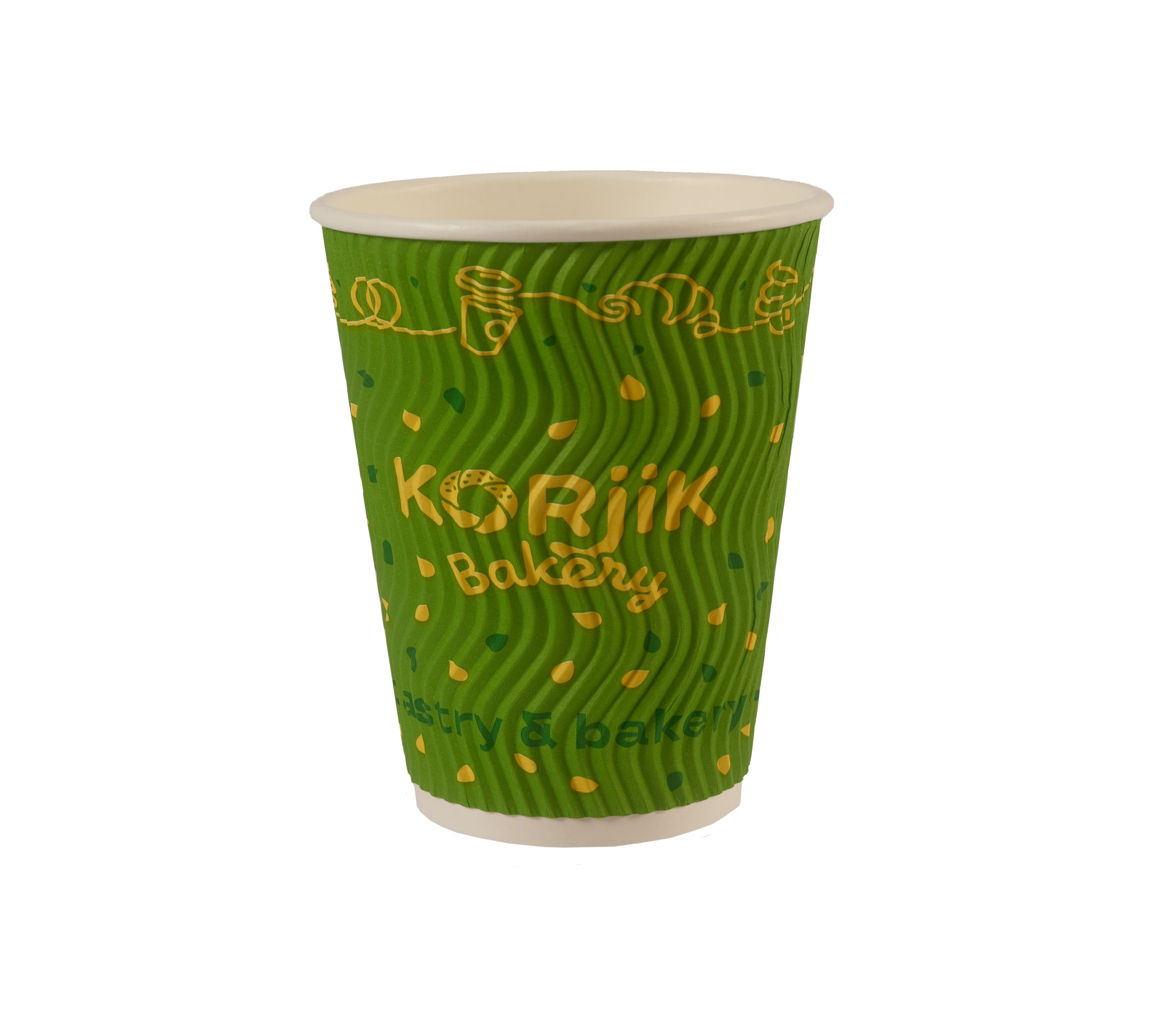
تواجه الشركات العالمية لخدمات الأغذية ضغوطاً متزايدة لتقييم علاقاتها مورد أكواب ورقية مع تفاقم التحديات التشغيلية في قطاع الخدمات الغذائية. فارتفاع تكاليف المواد الأولية، وتغير توقعات المستهلكين بشأن الاستدامة، والاضطرابات في سلاسل التوريد، وعدم اتساق الجودة، كلّها عوامل أجبرت المشغلين على إعادة النظر في استراتيجيات الشراء لديهم. فقد لا تتوافق علاقة مورد أكواب الورق التي كانت ناجحة قبل خمس سنوات مع أولويات العمل الحالية، أو المتطلبات التنظيمية، أو المكانة التنافسية. وهذه العملية ليست مجرّد مبادرة لتقليل التكاليف، بل هي إعادة توجيه استراتيجي تهدف إلى ضمان البقاء على المدى الطويل، وثبات الهوية التجارية، ورضا العملاء.
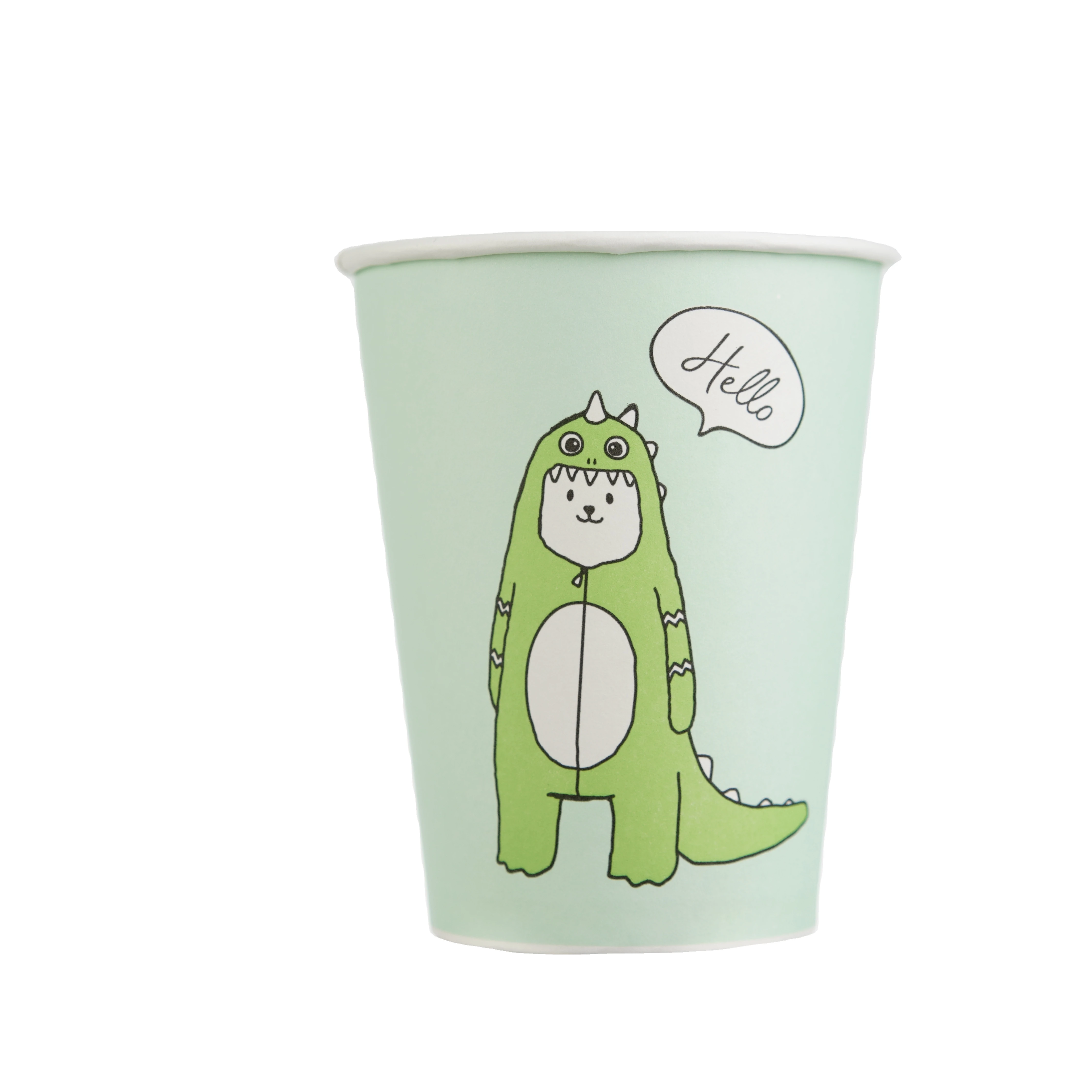
يؤثر اختيار مورد أكواب الورق تأثيرًا مباشرًا على كل شيء، بدءًا من جودة المنتج وانطباع العلامة التجارية ووصولًا إلى الهوامش التشغيلية والأثر البيئي. وقد اكتشف مشغلو قطاع خدمات الأغذية أن اختيار المورد المناسب لأكواب الورق يتطلب تقييمًا أعمق من مجرد مقارنة الأسعار للوحدة الواحدة. ويمكن لشراكة استراتيجية مع مورد أكواب ورقية أن توفّر ميزة تنافسية من خلال الابتكار والموثوقية والتخصيص والانسجام مع أهداف الاستدامة التي تجد صدىً لدى المستهلكين المعاصرين.
تظل صناعة أكواب الورق عرضةً بشدة لتقلبات أسعار السلع الأساسية التي تؤثر على تكاليف الألياف الجديدة والمُعاد تدويرها على حدٍّ سواء. ويجب أن يمتلك مورِّد أكواب الورق الموثوق به الاستقرار المالي والحجم التشغيلي الكافي لامتصاص التقلبات القصيرة الأجل، مع تقديم نماذج تسعير شفافة. وتزداد لدى قطاع خدمات الطعام متطلباتُ القدرة على التنبؤ والاتفاقات السعرية طويلة الأجل مع شركاء مورِّدي أكواب الورق، إذ يدرك المشغلون أن التكاليف غير القابلة للتنبؤ تُضعف إمكانية التنبؤ بالربح. ويقوم العديد من المشغلين الآن بمراجعة ربع سنوية لهيكل تسعير مورِّد أكواب الورق الخاص بهم مقارنةً بمعايير السوق لضمان عدم دفعهم مبالغَ زائدةً مقابل جودةٍ مماثلة.
دمج الطلبيات مع مورد واحد أو موردين للكؤوس الورقية يُولِّد قوة تفاوضية ناتجة عن الحجم، وهي قوة لا يمكن تحقيقها عبر ترتيبات الشراء الصغيرة والمجزأة. ويمكن لمورد الكؤوس الورقية ذي الخبرة والقادرة على التوزيع الإقليمي أن يوفِّر وفورات الحجم التي تنعكس في خفض التكلفة لكل وحدة بالنسبة لسلاسل خدمات الطعام عالية الحجم. وعلى العكس من ذلك، فإن تعدد الموردين يؤدي إلى ازدياد الأعباء الإدارية، وعدم اتساق الجودة، وضياع الخصومات المرتبطة بالشراء بكميات كبيرة. أما المشغلون ذوو التفكير الاستباقي فيركِّزون اليوم على إيجاد مورد للكؤوس الورقية قادرٍ على التوسُّع جنبًا إلى جنب مع نمو أعمالهم، مع الحفاظ على استقرار الأسعار وثبات مستوى الخدمة.
يَتوقَّعُ المُستهلكون العصريون بشكلٍ متزايدٍ أن تستخدم علاماتُ خدمات الأغذيةِ تغليفًا صديقًا للبيئة، وتؤثِّرُ مصداقيةُ مورِّد أكواب الورق في مجال الاستدامة مباشرةً على سمعة العلامة التجارية. ويُدرِك المُستهلكون أن أكواب الورق بديلٌ قابلٌ للتجديدٍ مقابل البلاستيك، ومع ذلك فإنهم يفحصون بدقةٍ مواد الطلاء وادعاءات إمكانية إعادة التدوير وشفافية سلسلة التوريد. وبذلك يصبح مورِّد أكواب الورق الذي يلتزم بالحصول على المواد من مصادر مستدامة، وتخفيض البصمة الكربونية، وممارسة إدارة الغابات المسؤولة أصلًا استراتيجيًّا للحفاظ على ثقة العملاء تجاه العلامة التجارية. أما مشغِّلو خدمات الأغذية فيعتبرون اليوم اختيارَ مورِّد أكواب الورق بيانًا علنًا عن قيمهم البيئية ومسؤوليتهم المؤسسية.
تستمر اللوائح البيئية التي تنظم عبوات الطعام ذات الاستخدام الواحد في التشدد تدريجيًّا في أوروبا وأمريكا الشمالية ومنطقة آسيا والمحيط الهادئ. ويجب على مورد الأكواب الورقية أن يفهم اللوائح المحلية المتعلقة بتركيب الطبقات الخارجية، ومعايير إعادة التدوير، ومصادر المواد لمساعدة العملاء على الالتزام بهذه اللوائح. واجهت العديد من مؤسسات تقديم الطعام مشكلات تكلفةٍ كبيرةٍ تتعلَّق بالامتثال عندما فشل مورِّدو الأكواب الورقية في إعلامها بتغيُّرات اللوائح أو قدَّموا لها منتجات غير متوافقة مع هذه اللوائح. وباختيار مورد أكواب ورقية يتمتَّع بخبرة تنظيمية ويراقب الامتثال بشكل استباقي، تنخفض المخاطر القانونية والاضطرابات التشغيلية.
كشَفَت الجائحة والتوترات الجيوسياسية اللاحقة عن نقاط الضعف في شبكات مورِّدي أكواب الورق المركزية، مما اضطرَّ مشغِّلي قطاع الخدمات الغذائية إلى إعادة تقييم مخاطر التركز الجغرافي. ويوفِّر مورِّد أكواب الورق الذي يمتلك مرافق تصنيع في مناطق متعددة، ووصولًا إلى مصادر ألياف متنوِّعة، ومخزونات احتياطية إقليمية مرونةً فائقة. والآن، يطلب العديد من المشغلين صراحةً من مورِّدي أكواب الورق لديهم الحفاظ على طرق بديلة للحصول على المورِّدين وإثبات وجود بروتوكولات جاهزية لمواجهة الأوبئة. وقد غيَّرت هذه التحوُّلات الاستراتيجية من التركيز على تقليل التكاليف إلى التركيز على مرونة سلسلة التوريد، الطريقة الأساسية التي تقيِّم بها مؤسسات الخدمات الغذائية عروض مورِّدي أكواب الورق.
تؤدي جودة المنتج غير المتسقة من مورد واحد لأكواب الورق إلى احتكاك تشغيلي وشكاوى العملاء وتضرر العلامة التجارية، مما يفوق في النهاية أي وفورات قصيرة الأجل في التكاليف. وتتطلب سلاسل خدمات الطعام من مورد أكواب الورق الخاص بها الالتزام الصارم بمعايير مراقبة الجودة، والتوحيد في الأحجام، وأداء الطلاء، ومتانة الطباعة عبر جميع دفعات الإنتاج. ويصبح مورد أكواب الورق الحاصل على شهادة ISO 9001، والذي يتبع بروتوكولات اختبار صارمة وعمليات تحسين مستمر، عنصرًا لا غنى عنه للمنشآت ذات الحجم العالي. وعند حدوث انخفاض في الجودة، يفقد قطاع خدمات الطعام ثقته في المورد ويبادر إلى استكشاف خيارات بديلة لموردي أكواب الورق، حتى لو كانت تكاليف الانتقال مرتفعة.
يُقدِّم مشغِّلو خدمات الأغذية الآن طلبَ توريد أكواب الورق إلى المورِّدين وفق معايير تقييم منظَّمة، بدل اتِّخاذ قرارات عابرة أو ردَّة فعل. وتشمل العوامل ذات الأولوية عادةً التنافسية في التكلفة، والثبات في الجودة، والمصداقية في مجال الاستدامة، ومرونة سلسلة التوريد، والمرونة في التخصيص، واستجابة خدمة العملاء. ويجب أن يتوافق مورِّد أكواب الورق مع الأهداف الاستراتيجية للمشغِّل، سواء أكانت هذه الأولوية تتمحور حول الريادة في التكلفة، أم التموضع الفاخر، أم التميُّز عبر الاستدامة، أم الابتكار السريع. وبما أن تحديد المتطلبات الإلزامية غير القابلة للتفاوض قبل التواصل مع مورِّد أكواب الورق يُسرِّع عملية التقييم ويمنع انحرافاتٍ مكلِّفة لاحقًا.
تتجاوز عملية التحقق الدقيق لاختيار مورد جديد لأكواب الورق نطاق عروض الأسعار لتتضمن تفتيش المنشآت، والتحقق من الشهادات، ومرجعيات العملاء، وتقييم شفافية سلسلة التوريد. ويطلب مشغّلو قطاع الخدمات الغذائية الرائدون الآن زيارات ميدانية إلى منشآت التصنيع الخاصة بمورد أكواب الورق للتحقق من قدرات المعدات، وأنظمة الجودة، والحجم التشغيلي. وتُظهر المكالمات المرجعية مع العملاء الحاليين مدى موثوقية الخدمة الفعلية التي يقدمها مورد أكواب الورق، واستجابته للمشكلات، وانفتاحه على التعاون الوثيق أثناء انقطاع الإمدادات. ويعكس استعداد مورد أكواب الورق لخوض عملية تقييم شاملة ثقته في عملياته والتزامه بنجاح عملائه.
يُحافظ مورِّد أكواب الورق الموثوق على استقراره المالي، وتنويع مصادر الألياف، ونماذج التسعير الشفافة، والتواصل الاستباقي أثناء تقلبات السوق. ويقدِّم اتفاقيات تسعير متعددة السنوات أو استراتيجيات التحوط التي تضمن قابلية التنبؤ بالتكاليف مع امتصاص التقلبات القصيرة الأجل في أسعار السلع الأساسية دون تحمل العملاء هذه التكاليف فورًا. علاوةً على ذلك، يحتفظ مورِّد أكواب الورق القوي بمخزون احتياطي كافٍ وقدرة إنتاج مرنة لتنفيذ الطلبيات باستمرار بغض النظر عن الظروف السوقية.
التحقق من مؤهلات المورد المُقدِّم لأكواب الورق من حيث الاستدامة من خلال شهادات جهات خارجية مثل شهادة مجلس إدارة الغابات (FSC) أو العلامة البيئية الأوروبية (EU Ecolabel) أو معايير بيئية مماثلة. وطلب معلومات تفصيلية عن تركيب الطبقة الخارجية، وطرق إعادة التدوير المتاحة، وبيانات البصمة الكربونية، وممارسات الشراء المسؤول للمواد الخام. ويوفِّر مورِّد أكواب الورق الشفاف وثائق سلسلة التوريد، وتقارير الاستدامة، كما يبدي استعداده لمناقشة المؤشرات البيئية المحددة ذات الصلة بعملياتك وقاعدة عملائك.
مُورِّدُ أكوابٍ ورقيَّةٍ مُرتَّبٌ استراتيجيًّا، يمتلك مصانعَ موزَّعةً جغرافيًّا، ووصولًا متنوِّعًا إلى الألياف، وقدراتٍ على تخزين المخزون على المستوى الإقليمي، ويمكنه تلبية معظم متطلبات المرونة بكفاءة. ومع ذلك، يعتمِد العديد من مشغِّلي قطاع الخدمات الغذائية استراتيجية مورِّدين اثنين، مع توزيع أدوارٍ واضحةٍ لتخفيض مخاطر التمركز بشكلٍ أكبر. والنهج الأمثل يعتمد على حجم طلبياتك، وامتدادك الجغرافي، ودرجة تحمُّلك للمخاطر، ما يجعل هذا القرار خاصًّا بكل شركة خدمات غذائية على حدة.